Furniture Removals in Kew
If you are planning a move and need Furniture Removals in Kew, you are likely looking for a team that can handle your belongings carefully, work around local access issues, and make the whole process feel far less stressful. Moving furniture is rarely just about lifting and transporting. It is about protecting valuable items, navigating tight streets and difficult parking, fitting into busy schedules, and making sure everything arrives where it should, in the condition it left.
Kew has a unique mix of homes and businesses, from elegant period houses and apartment buildings to offices, studios, and small commercial spaces. That variety means no two furniture moves are exactly the same. A well-planned service can make the difference between a rushed, stressful move and a smooth one that feels organised from start to finish. Whether you are relocating a single room, a whole household, or an office full of desks and storage units, local knowledge matters.
Our furniture moving service is designed for real local customers who want practical help, clear communication, and careful handling. If you are moving within Kew, heading into nearby suburbs, or coming from elsewhere into the area, you can benefit from a removal team that understands the logistics involved and knows how to work efficiently in residential and commercial settings.
Why Furniture Removals in Kew Need a Local Approach

Choosing a local service for furniture removals in Kew is about more than convenience. It means working with people who understand the area’s streets, property layouts, and access considerations. Many homes in and around Kew feature narrow entrances, internal stairs, older timber floors, and delicate finishes that need careful protection. Apartments may have shared foyers, lifts, loading zones, or timed access windows, while some commercial spaces require removals outside normal business hours.
Local knowledge helps reduce delays. If a furniture removal team already understands typical parking limitations, one-way streets, and how to plan for building access, the job can be managed more efficiently. That can save time on moving day and help reduce unnecessary stress for everyone involved. It also helps when coordinating with property managers, neighbours, or office staff who need the move to run smoothly.
Furniture removals are also about matching the right equipment to the job. A local team may be more prepared to handle bulky sofas, fragile dining tables, oversized wardrobes, pianos, filing cabinets, or modular office furniture. The aim is always the same: move everything safely, protect the property, and keep the day as organised as possible.
What Our Furniture Removal Service Can Help With
Every move is different, and furniture transport often forms only part of a bigger relocation. That is why a practical service should be flexible enough to support a range of needs. Some customers want help with a single large item, while others need a full-house furniture relocation. In Kew, this could mean helping a family move from a period home, relocating professionals to a nearby apartment, or assisting a business with office furniture transfers.
Typical furniture removal support may include careful loading and unloading, wrapping and protection for delicate items, dismantling and reassembly where appropriate, and safe transport in a suitable vehicle. If your move includes items such as beds, cabinets, desks, bookcases, outdoor furniture, or white goods, a properly managed removal service can help prevent damage and reduce the physical strain on you and your household.
For customers who are trying to coordinate multiple parts of a move, it is often helpful to separate furniture handling from other moving tasks. That way, the furniture side of the move can be planned carefully, with attention to the items that are heavy, awkward, or valuable.
Residential furniture removals
Residential customers in Kew often need a service that is careful, punctual, and respectful of the home. This may include moving furniture from living rooms, bedrooms, dining areas, garages, or storage rooms. Homes with multiple levels, narrow staircases, or heritage features require extra attention, especially if large items need to be turned or carried through tight spaces.
A good residential furniture move should aim to protect both the items and the property. That can involve using blankets, straps, trolleys, and protective materials to reduce the risk of scuffs, chips, and scratches. It also helps to have a clear plan for the order in which items are removed so that furniture is not squeezed through the same doorway repeatedly.
Commercial furniture removals
Businesses in and around Kew may need furniture removals for office relocations, refurbishments, fit-outs, downsizing, or storage transfers. Commercial jobs often involve desks, meeting tables, chairs, shelving, filing units, reception furniture, and technology-related items that need careful coordination. The goal is to keep disruption low while ensuring everything is moved safely and in a practical order.
For commercial customers, timing matters. A removal team that can work around opening hours, after-hours windows, or staged relocations can make a major difference. This is especially useful when businesses need to keep operating while furniture is moved from one area to another.
How the Furniture Removal Process Works
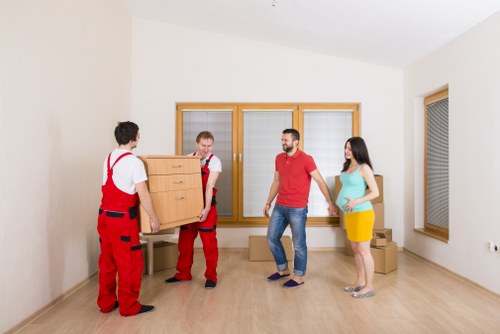
A well-run furniture removal process should feel organised and straightforward from the outset. Customers often appreciate knowing what to expect before the moving day arrives. The steps may vary depending on the size of the job, but a careful approach usually follows a clear sequence that keeps everyone informed and prepared.
It often begins with an assessment of what needs to be moved. That might involve discussing the number of items, the size and type of furniture, access at each location, whether any pieces need dismantling, and whether there are fragile or valuable items requiring extra care. This early planning helps the team bring the right equipment and allow enough time for the move.
Once the move is confirmed, preparation is key. Customers may be asked to identify items that stay behind, empty drawers where needed, and make sure walkways are clear. On moving day, the team usually protects the property first, then carefully loads the furniture in a logical order, taking care to secure items for transport. At the destination, furniture is unloaded and positioned as directed, with reassembly carried out where agreed.
Step-by-step moving support
- Discuss your furniture, access points, and timing needs.
- Plan for packing materials, dismantling, and protective measures.
- Prepare pathways, lifts, or parking arrangements as required.
- Load and secure furniture carefully for transport.
- Unload at the destination and place items in the correct rooms or areas.
- Reassemble selected pieces if included in the service.
This process helps reduce stress and gives customers more confidence that their furniture will be handled properly. It is particularly useful in Kew where building access, street parking, and stair layouts can all affect the speed and flow of a move.
What Types of Furniture Are Commonly Moved?
Furniture removals are rarely limited to one or two easy-to-carry items. Many moves involve a mix of large, fragile, awkward, and heavy pieces that require different handling techniques. A good local team should be prepared for that variety and have the tools to manage it properly.
Commonly moved furniture can include:
- Dining tables and chairs
- Sofas, armchairs, and recliners
- Beds, mattresses, and bed frames
- Wardrobes, dressers, and chests of drawers
- Bookcases and shelving units
- Office desks and workstations
- Cabinets and filing units
- Outdoor furniture and patio sets
- Conference tables and reception furniture
Some items need special attention because of their size, finish, or weight. Glass tabletops, antique pieces, polished timber furniture, and unusually shaped items often require extra wrapping and careful lifting. If you have pieces that are especially delicate or valuable, it is worth mentioning them early so the moving plan can account for them.
Not every item needs the same level of preparation. However, thoughtful handling is always worthwhile, especially when furniture has sentimental value or is difficult to replace.
Items that may need extra care
Some furniture is straightforward to move, while other pieces can be more challenging. Items that may need extra time or protection include large mirrors, marble-topped tables, antiques, oversized wardrobes, modular storage systems, and furniture with glass panels. In homes with heritage features or narrow staircases, even standard furniture may require more careful planning than expected.
Preparing for a Furniture Move in Kew

Preparation makes a big difference to how smoothly a furniture removal goes. When customers take time to organise the space before the team arrives, the move can usually be completed more efficiently. This is especially useful in Kew properties where entrances, hallways, and parking may already be tight. A little preparation can reduce delays and make the entire experience easier.
Start by deciding exactly which furniture is moving and which items are staying. If possible, remove personal belongings from drawers, shelves, and cupboards so each item is ready for handling. It also helps to measure large pieces and compare them against doors, stairwells, and access points. If something may not fit easily, let the removal team know in advance so they can plan the safest route.
Clear pathways inside the home or office and make sure fragile items, wall art, and ornaments are out of the way. If you live in an apartment building or work in a shared space, it may be helpful to check whether there are lift booking requirements, loading restrictions, or access times that need to be coordinated before moving day.
Preparation checklist
- Confirm which items are being moved
- Empty drawers, shelves, and cupboards if needed
- Measure large furniture and access points
- Move fragile items and valuables to a safe location
- Secure pets and keep children away from the moving area
- Reserve parking or loading space if possible
- Inform building managers about access requirements
- Keep keys, lift codes, and instructions ready
Good preparation does not mean doing everything yourself. It simply means making the job easier for the movers so they can focus on safe transport and careful placement.
Pricing Factors for Furniture Removals
Customers often want to know what affects the cost of furniture removals in Kew, and it is sensible to ask. While exact pricing depends on the specific move, several common factors usually influence the overall quote. Understanding these helps you plan your budget more realistically and compare services fairly.
Important pricing factors may include the number and size of items, the distance between pickup and delivery points, access conditions at each location, whether items need dismantling or reassembly, and how much time is likely to be required. A move involving multiple flights of stairs, difficult parking, or especially heavy items may take longer than a simple ground-floor collection.
Other factors can include the need for protective wrapping, special handling for fragile pieces, and whether the move is happening during a busy period or at a time that requires careful coordination. If the job involves business premises or a staged relocation, planning and logistics may also affect the overall scope of the service.
Ways to help keep the move efficient
- Provide accurate details about furniture size and quantity
- Share access information early
- Prepare items before the team arrives
- Group furniture together where practical
- Identify fragile or hard-to-move items in advance
When customers provide clear information from the start, it is easier to match the job to the right level of service. That can lead to a smoother and more efficient moving day.
Why Choose a Local Company for Furniture Removals in Kew?
There are practical advantages to choosing a local team for furniture removals in Kew. A company that works regularly in the area is more likely to understand how to plan for the kind of streets, properties, and access conditions common locally. That familiarity can be especially useful when handling tight turns, limited parking, shared access areas, and time-sensitive moves.
Local service can also make communication easier. Customers often prefer dealing with a team that understands the local area and can respond to practical concerns without unnecessary confusion. If your move involves multiple stops, nearby suburbs, or a need to work around a building schedule, a local provider may be better placed to keep things moving.
Trust also comes from a service that feels practical and responsive. You want to know your furniture is being handled by people who are careful, organised, and accustomed to working in real homes and workplaces, not just in straightforward open spaces.
Benefits local customers often look for
- Better understanding of access and parking challenges
- More suitable planning for older homes and apartments
- Practical support for office and commercial relocations
- Efficient handling of bulky or fragile furniture
- Flexible scheduling around local property and business needs
For many Kew customers, the right moving team is one that saves time, protects property, and makes the whole process feel manageable. That is the real value of a well-organised local furniture removal service.
Areas We Commonly Cover Around Kew

Furniture removals in Kew often involve nearby suburbs and surrounding areas as part of a broader local move. Customers may be relocating within Kew, moving to nearby residential pockets, or bringing furniture in from surrounding parts of Melbourne. A local team can often manage these short-distance moves efficiently while still giving each item the attention it needs.
Depending on the job, service coverage may include nearby areas such as Hawthorn, Richmond, Camberwell, Balwyn, Canterbury, Glen Iris, and other neighbouring suburbs. These locations often share similar access considerations, apartment buildings, heritage homes, and commercial spaces, so a local mover can approach them with practical experience.
If you are moving between Kew and another nearby suburb, it can be helpful to work with one team that understands both ends of the journey. That can reduce coordination issues and make the removal more straightforward, especially when furniture needs to be collected from one property and delivered directly to another.
Common move types in the local area
- House-to-house furniture relocation
- Apartment furniture moves
- Student or shared-house furniture transport
- Office furniture removals
- Storage-to-home or home-to-storage transfers
- Single-item pickups and deliveries
Whether you are moving a few pieces or furnishing an entire property, a local furniture removal team can help you keep the process organised from start to finish.
Furniture Removals for Homes, Flats, and Offices
Kew’s mix of property types means furniture removals must be adapted to the space. A family home may have wide items, staircases, and garden access. A flat might involve lift bookings, shared corridors, or limited parking. An office may require careful timing, staged removal, and coordination with staff or building managers. Each setting presents its own challenges, and the right team should be ready for all of them.
For homes, the main focus is often on protecting floors, walls, and furniture finishes while moving items safely through tight or decorative spaces. For flats, the challenge can be moving bulky furniture without disrupting neighbours or causing access issues. For offices, the priority is usually keeping downtime low and ensuring desks, chairs, and equipment are moved in an orderly way.
When furniture removals are tailored to the property type, the move usually feels far less disruptive. That is one of the reasons local experience is so valuable in Kew.
Practical support for special situations
Some moves involve extra coordination, such as moving furniture before renovation work starts, clearing out a tenancy, or relocating items into storage while a home is being staged for sale. In these situations, clear planning is especially useful because the furniture may need to be moved quickly, carefully, or in a specific order.
What to Expect on Moving Day
On the day of the furniture removal, the main priorities are safety, organisation, and communication. You should expect the moving team to arrive prepared, confirm the items to be moved, and assess the access route before starting. If any last-minute changes arise, it helps to discuss them early so the plan can be adjusted sensibly.
The team may begin by protecting the property and preparing the items for lifting. Larger furniture might be dismantled if necessary, and smaller items may be grouped so they can be loaded efficiently. Once everything is ready, furniture is carried carefully to the vehicle, secured for transport, and unloaded at the destination with the same level of care.
Good movers work methodically. They do not rush fragile items, and they pay attention to the details that matter to customers, such as placing items in the right room or keeping related pieces together. If you have particular instructions, such as which room a bed should go into or where office furniture should be positioned, it is best to mention that before unloading begins.
Simple ways to make moving day easier
- Keep a clear pathway to each item
- Have access instructions ready
- Label rooms if several furniture pieces are going to different places
- Identify any furniture that needs dismantling first
- Stay available for quick decisions if needed
These small steps can help the move stay on track and prevent avoidable delays.
FAQs About Furniture Removals in Kew

Do you move single furniture items as well as full house loads?
Yes, many customers only need help with one or two items such as a sofa, bed, dining table, or cabinet. Single-item moves can be a practical choice when you need safe transport without arranging a full relocation.
Can furniture be dismantled and reassembled?
In many cases, yes. Beds, tables, wardrobes, and some office furniture can often be dismantled for safer transport and reassembled at the destination if this is part of the agreed service.
What if my building has stairs or limited parking?
This is very common in Kew, and it is exactly why access details matter. Share this information early so the move can be planned around stairs, entry points, and parking restrictions as efficiently as possible.
Can you help with office furniture removals?
Yes. Office furniture removals are a common request, and they often require careful timing, organised loading, and a clear plan so business disruption stays low.
How do I prepare fragile furniture?
If a piece is delicate, let the removal team know beforehand. Extra wrapping, careful handling, and a more considered loading plan may be needed for glass, antique, polished, or unusual items.
How far in advance should I book?
It is best to book as early as you can, especially if your moving date is tied to settlement, tenancy handover, or building access. Early booking also makes it easier to organise the right level of support.
Ready to Arrange Furniture Removals in Kew?
If you are planning a move and want a service that treats your furniture carefully, understands local access challenges, and works with residential or commercial needs, now is a good time to take the next step. Furniture Removals in Kew should feel organised, practical, and tailored to the property and items involved.
Whether you are moving a single item, a few rooms of furniture, or an entire office setup, a local removal service can help make the job simpler and less stressful. The right team can take the weight off your shoulders, protect your belongings, and keep the move moving in the right direction.
Contact us today to discuss your furniture removal needs, request a free quote, or book your service now. If you are ready to move, it is worth getting the process started early so everything can be planned properly.
Book your furniture removal service now and get support from a local team that understands Kew and the practical demands of moving furniture safely.