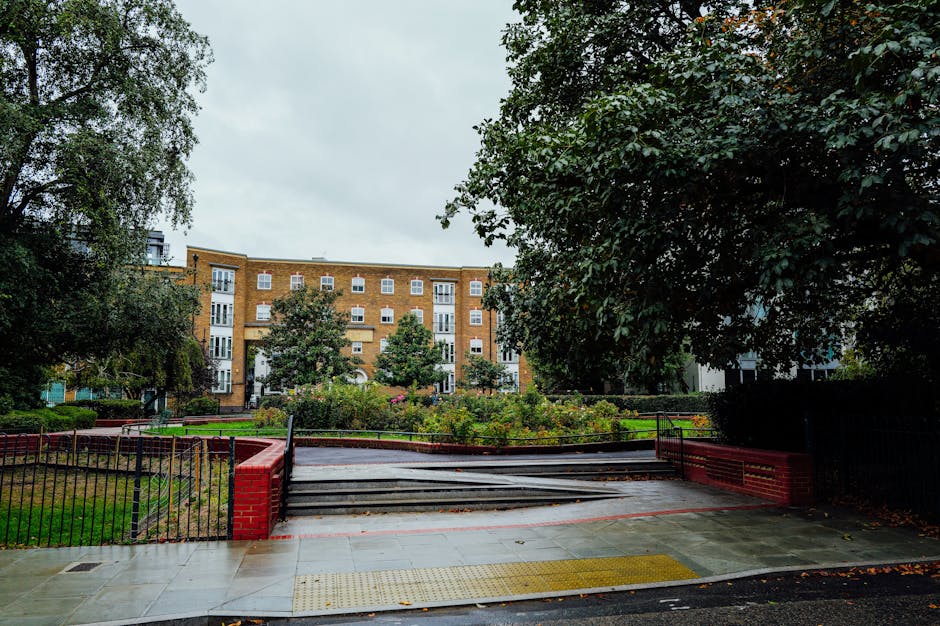
Stair and lift removals plan for Kew Green terraces
Kew Green terraces can look deceptively simple from the outside. Elegant facades, tidy entrances, and that calm riverside feel. But once you start planning a move, the real picture appears quickly: narrow hallways, shared access, awkward stair turns, and lifts that may be small, slow, or simply not suitable for bulky items. A sensible stair and lift removals plan for Kew Green terraces takes all of that into account before the first box is lifted.
This guide walks you through the practical side of terrace removals in Kew Green, from access checks and packing strategy to timing, lifting safety, and the small details that stop a move from becoming a headache. If you are moving a flat, a family home, or a top-floor terrace with limited access, you will find a workable plan here. Truth be told, good removals in London are often won or lost in the stairwell.
For readers who want broader moving support too, the team's services overview is a useful starting point, and if you already know the move needs careful handling, it may help to look at flat removals in Kew as well.
Table of Contents
- Why this plan matters
- How the process works
- Key benefits and practical advantages
- Who needs this approach
- Step-by-step guidance
- Expert tips for better results
- Common mistakes to avoid
- Tools, resources and recommendations
- Law, compliance and best practice
- Options and comparison
- Real-world example
- Practical checklist
- Conclusion
- Frequently asked questions
Why Stair and lift removals plan for Kew Green terraces Matters
Terraced homes around Kew Green bring a mix of charm and logistical quirks. Some homes have compact communal staircases. Others have internal stairs that twist a little too sharply for comfort. And in some modernised buildings there is a lift, but it may be too small for wardrobes, mattresses, or a heavy piano. A plan matters because every one of those features affects how furniture moves from room to van without damage or delay.
The biggest risk is not usually the obvious one. It is the chain reaction. A sofa that cannot clear the stair turn means a blocked landing. A lift that is shared with neighbours means waiting around. A missed parking arrangement means carrying heavy items farther than expected. One small oversight, and suddenly the whole day drags. Nobody wants that, let's face it.
A good plan makes the move feel calmer. It lets you decide in advance which items travel by stairs, which by lift, what needs dismantling, and what should be taken apart before moving day. That kind of preparation also helps protect walls, bannisters, floors, and the item itself. If you are moving somewhere with stair-only access, it is worth reading a practical guide such as safe heavy-load lifting advice before you begin.
Expert summary: the best terrace removals are not simply about strength. They are about route planning, timing, protection, communication, and knowing when a lift is helpful and when stairs are the safer route.
How Stair and lift removals plan for Kew Green terraces Works
The process starts with access, not packing. That is the part many people skip. A proper stair and lift removals plan looks at the route from front door to van and asks a few plain questions: Can the item turn the corner? Is the lift usable for that size and weight? Are the stairs narrow, steep, or awkward? Can the building accept a trolley, or will it need carrying by hand?
From there, the move is usually mapped into zones:
- Entry zone: front path, communal hall, or porch space
- Vertical route: stairs, lift, or both
- Landing space: areas where items can be set down safely
- Exit zone: the final run to the removal vehicle
Once that route is clear, the next decision is which items should be prepped in advance. Sofas may need covers, beds may need dismantling, and tall items might need their feet or shelves removed. If you are unsure how to handle larger items, the article on storing your sofa safely gives a good sense of how delicate bulky furniture can be when packed and handled properly.
In real terms, a lift is useful when it can take the load without awkward tilting, and the staircase is useful when the item is manageable by two trained people with a clear route. Sometimes the smartest move is not choosing one or the other. It is combining both. A few items by lift, the rest by stairs. Simple enough on paper, but that blend is what saves time.
Key Benefits and Practical Advantages
A well-thought-out removals plan brings benefits that are easy to feel on the day. You spend less time improvising. You reduce the chance of breakages. You avoid the all-too-common "we thought it would fit" moment. And for homes around Kew Green, where space is often tighter than people expect, those gains matter.
Here are the main advantages:
- Less risk of damage: items are routed through the safest path, not the quickest guess.
- Better control of time: lift bookings, stair access, and parking are coordinated rather than left to chance.
- Lower physical strain: the team can use proper lifting methods and avoid unnecessary carrying.
- Cleaner moving day: floor protection and wall protection are easier to manage when the route is known.
- Fewer neighbour issues: shared access can be used politely and efficiently.
There is also a mental benefit that people often underestimate. Once the route is mapped, the whole move feels more manageable. A lot of the stress disappears. If you want that calmer rhythm, a guide like these anxiety-free house move strategies fits neatly with this kind of planning.
Small but important point: on terrace moves, the best plan is not the most ambitious one. It is the one that keeps the day smooth.
Who This Is For and When It Makes Sense
This kind of planning is useful for a surprisingly wide range of people. If your home has stairs that feel tight, a lift that is shared, or a layout that makes furniture turns awkward, this approach is for you. It is especially relevant if you are moving from a Kew Green terrace with multiple levels, loft storage, or a first-floor living arrangement.
It makes sense for:
- families moving from terraced homes with compact staircases
- flat owners in converted terraces
- landlords preparing a tenancy changeover
- students moving into or out of upper-floor rooms
- anyone with bulky or fragile furniture
- people who need timed access because of building rules or neighbour coordination
It is also a smart choice if you have special items. A piano, for example, should never be treated as an ordinary box of books. If that is part of your move, the guidance on why DIY piano moving is risky is worth a read, and the dedicated piano removals service in Kew may be more appropriate than a general move.
To be fair, even a modest one-bedroom move can become complicated if the building access is poor. The size of the property matters less than the shape of the route.
Step-by-Step Guidance
Here is a practical, no-drama way to plan the move. Keep it simple, but do not rush it.
- Measure everything. Measure stair width, landing depth, lift dimensions, and the largest furniture pieces. If a wardrobe is taller than the ceiling angle on the stairs, you need to know before move day.
- Identify the safest route. Decide which items will use the lift, which will use the stairs, and whether anything needs dismantling.
- Check building rules early. If the lift is communal, find out whether booking is needed. Ask about time windows, padding requirements, or restrictions for large items.
- Prepare protective materials. Use covers, blankets, floor runners, and corner protection where needed. A small scrape on a painted wall can become an annoying repair job very quickly.
- Pack with route logic in mind. Put heavier, denser items in smaller boxes so they are easier to carry up or down stairs. A useful companion read is this packing strategy guide.
- Separate fragile and awkward items. Mirrors, lamps, TVs, and glass pieces need special handling and should not be left to the last minute.
- Label by destination room. This makes unloading much easier and reduces repeated lifting. You really do save your own back.
- Plan parking and arrival times. If the van cannot park close enough, the whole route stretches out. That can turn a tidy move into an exhausting one.
- Keep a clear landing area. Stairs and lifts both work better when the route is free of shoes, bags, prams, or random bits of furniture someone forgot about.
- Do a final walk-through. Check cupboards, loft spaces, sheds, and behind doors before the team leaves.
A move like this often benefits from a staged approach. Large items first, boxes after, final clean-up last. If you like structure, it can be helpful to pair this with a decluttering plan so you are not carrying things you no longer need.
Expert Tips for Better Results
Experience teaches a few things that are not always obvious at first glance. The first is that stairs are rarely the real problem. The problem is turns. A straight staircase can be surprisingly manageable. It is the corner onto a landing, or the narrow curve under the banister, that causes the pause and the sigh.
Here are the tips that usually make the biggest difference:
- Use the lift for volume, not just weight. A lighter item may still be too bulky to angle through stairs safely.
- Protect contact points first. Corners, handles, and feet are the bits most likely to catch on a wall or door frame.
- Lift together, not separately. Two people moving in sync is safer than one person trying to muscle through a difficult gap.
- Keep communication simple. Clear counts like "up", "stop", "turn", and "down" work better than long instructions in a tight hallway.
- Don't overfill boxes. Heavy boxes become awkward on stairs and more likely to split at the worst possible moment.
There is also a good reason to build a contingency into the day. If the lift breaks or is unexpectedly unavailable, what then? A backup route matters. That is why a removal van arranged through a local team such as this Kew removal van option can be a practical fit when timing and access need flexibility.
One last thing: work pace beats rush. Always. People often move faster when they are anxious, and that is usually when knocks and slips happen. Slow, then steady. It sounds almost too simple, but it works.
Common Mistakes to Avoid
Some mistakes are easy to spot. Others sneak in because the move seems straightforward at first. A terrace can be full of hidden friction points, especially if you have not measured properly or assumed the lift would solve everything.
- Assuming the lift is large enough: many lifts are not suitable for mattresses, wardrobes, or wide sofas.
- Ignoring furniture dismantling needs: bed frames, table legs, shelves, and sideboards often need partial disassembly.
- Packing boxes too heavily: this is one of the fastest ways to make stairs unsafe.
- Leaving parking to chance: a van parked too far away adds fatigue and delay.
- Not checking communal rules: some buildings require lift protection or time slots.
- Underestimating time: one flight of stairs is not the same as four flights with awkward landings.
A common one is the "we'll just carry it" mindset. Harmless sounding, slightly optimistic, and sometimes a bit silly. If something feels too tight to manoeuvre, it probably is. A better move is to pause, reassess, and take the safe route.
Another mistake is forgetting the emotional side. Moving day is noisy, people are in and out, and the hall gets cluttered. Small misunderstandings happen. If you want to keep expectations clear, the company's terms and conditions and complaints procedure are useful reference points for what happens if something does not go to plan.
Tools, Resources and Recommendations
You do not need a warehouse of equipment, but a few things make terrace removals much smoother. The right tools reduce strain and prevent those little knocks that end up costing time later.
| Tool or resource | Why it helps | Best used for |
|---|---|---|
| Furniture blankets | Protects surfaces from scuffs and corner damage | Sofas, tables, wardrobes, cabinets |
| Stair runners or floor protection | Reduces marks on paintwork and flooring | Shared halls, narrow stairs, painted landings |
| Ratchet straps | Secures items in the van | Heavy or tall furniture |
| Hand truck or dolly | Improves control for boxes and small appliances | Short, flat runs and van loading |
| Clear labels and marker pens | Saves time during unloading | Box sorting and room placement |
For items you do not want to keep with you during the move, storage can be the sensible option. The local storage in Kew page is worth reviewing if you need to bridge a gap between moving dates. And if you are still gathering supplies, packing materials and boxes in Kew can help you prepare with less last-minute stress.
There are also situational resources that can help the process feel less chaotic. For example, if you are relocating on a tight schedule, the idea of delivery at the best time for you becomes more than a nice phrase; it is a practical way to avoid peak traffic and awkward access windows.
Law, Compliance, Standards, or Best Practice
This kind of move usually sits within normal domestic removals practice, but good compliance still matters. In the UK, the main concerns are health and safety, property care, access permissions, and insurance. You do not need legal jargon to understand the basics. You need safe handling, clear communication, and sensible preparation.
Best practice generally includes:
- planning lifting tasks so they can be done safely by the people involved
- not overloading individuals with items that are too heavy or awkward
- using protective measures on floors, walls, and bannisters where appropriate
- checking access arrangements for shared lifts and common areas
- keeping valuables, documents, and essentials separate from bulk furniture
It also helps to use a provider that is transparent about safety, coverage, and handling expectations. If you want to review those basics before booking, the site's insurance and safety information and health and safety policy are sensible reads. For broader trust and data handling concerns, the privacy policy and accessibility statement are useful too.
And yes, if sustainability matters to you, it is worth thinking about disposal and reuse rather than simply tossing everything. The recycling and sustainability page is a good reminder that a tidy move can also be a responsible one.
Options, Methods, or Comparison Table
Not every item should be handled the same way. In terrace removals, the choice between stairs, lift, dismantling, storage, or specialist help often comes down to a mix of size, weight, and access. Here is a simple comparison.
| Method | Best for | Pros | Watch out for |
|---|---|---|---|
| Stairs | Smaller furniture, boxes, manageable items | Direct, no waiting for lift access | Narrow turns, fatigue, wall scuffs |
| Lift | Items that fit safely and do not need awkward angling | Less physical strain, easier for repeated trips | Size limits, bookings, shared access delays |
| Dismantling | Beds, shelving, large tables, wardrobes | Safer transport, easier handling | Needs time, tools, and careful reassembly |
| Storage | Items not needed immediately | Reduces pressure on move day | Extra cost and organisation |
| Specialist service | Pianos, oversized furniture, delicate items | Better handling and less risk | Requires proper booking and briefing |
If you are moving a full household, general house removals in Kew may suit you better than a basic man-and-van option. On the other hand, smaller moves can often be handled efficiently with a local man and van service in Kew. The trick is matching the method to the access, not the other way round.
Case Study or Real-World Example
Picture a two-bed terrace near Kew Green with a narrow internal staircase, one modest lift in a shared building section, and a mix of furniture: a bed frame, two wardrobes, a sofa, six boxes of books, and a dining table. On paper it sounds ordinary. On moving day, it is anything but if the route has not been planned.
In a sensible setup, the beds are dismantled the day before, mirrors are wrapped separately, and the wardrobes are checked for shelf removal. The lighter boxes go down the stairs in a steady sequence. The sofa uses the lift if it fits safely; if not, it is angled through the stairwell with two movers and protection on the corners. The dining table legs come off first. That small decision alone can save a lot of back-and-forth.
What tends to make the day run well is not speed. It is the sequence. Large items first, awkward items second, boxes last. The loading order matters too. Heavy pieces go against the van wall, fragile items are isolated, and everything is strapped properly. By late afternoon, the place is clear and the hallway does not look like a mini battlefield. A bit of dust, sure. But no damage, no panic, no drama.
If the move had involved a short gap between tenancies, storage could easily have been part of that plan. That is where secure storage in Kew becomes useful. And if the team had needed to work around a very tight deadline, a same-day removals service in Kew could have been the fallback.
Practical Checklist
Use this as a final pre-move check. It is simple, but it catches a lot.
- Measure stairs, lift, doors, and the largest furniture items
- Confirm whether the lift can be booked or protected
- Check parking access close to the property
- Decide which items need dismantling
- Pack heavy items into smaller boxes
- Label every box by room
- Wrap fragile items separately
- Prepare floor and wall protection
- Keep valuables and documents with you
- Set aside essentials for the first night
- Clear hallways, landings, and entrances
- Share special instructions before moving day
If you are handling a final tidy-up as well, move-out cleaning guidance can be useful. And if the whole process feels like a lot, a calmer approach starts with smart packing and a clear plan. No rush. No guesswork. Just order.
Conclusion
A stair and lift removals plan for Kew Green terraces is really about making a complex day feel ordinary. That is the goal. Not glamorous, not dramatic, just controlled and well judged. By measuring access carefully, choosing the right route for each item, and preparing for the quirks of terraces and shared buildings, you reduce damage, save time, and make the move far easier on everyone involved.
The best moves are usually the ones people barely remember afterwards, because nothing went wrong. The stairs were protected, the lift was used properly, the van was loaded sensibly, and the tea at the end tasted well deserved. Simple, but not easy unless you plan it properly.
If you want support with access-sensitive removals, packing, storage, or specialist items around Kew, start by reviewing the relevant service pages and asking for clear advice before move day arrives.
Get a free quote today and see how much you can save.
For a direct conversation, you can also visit the contact page and outline the stairs, lift, and access details in advance. That little bit of honesty up front usually pays off nicely.
Frequently Asked Questions
Do I need a stair and lift plan for a small move?
Usually, yes. Even a small move can run into problems if the staircase is narrow or the lift is too small. A few measured checks can prevent a lot of heavy lifting later.
How do I know whether my sofa will fit in the lift?
Measure the sofa at its widest and longest points, then compare that with the lift interior and door opening. If it needs to be angled tightly, it may be safer to use the stairs or partially dismantle it.
What should be taken by stairs and what should go in the lift?
As a rule, smaller and more controllable items can go by stairs, while heavier or more repetitive loads may suit the lift if it is large enough. The safest route depends on the exact item and building layout.
Are terrace moves in Kew Green more difficult than other London moves?
They can be, mainly because terraces often combine narrow internal spaces with shared access points. The charm is lovely; the manoeuvring can be a bit less lovely.
Should I dismantle furniture before moving day?
Where possible, yes. Beds, tables, shelving, and some wardrobes are usually easier and safer to move in pieces. It also reduces the chance of scratching walls or catching on stair turns.
What if the lift is shared with neighbours?
Book access early if possible, and keep the loading windows tight and respectful. Shared lifts work best when the team is organised and items are grouped before the lift door opens.
How far in advance should I plan the move?
The earlier the better, especially if you have bulky furniture or building restrictions. A few days may be enough for a small move, but terrace access planning is easier when you start earlier.
Is it safer to use professional movers for stair-heavy properties?
Often, yes. Professional movers are used to awkward angles, awkward timings, and awkward furniture. In practice, that experience can make the whole job much safer and faster.
What items usually need specialist handling?
Pianos, large mirrors, antique furniture, glass cabinets, and particularly heavy items often need specialist care. If you are unsure, ask before the moving day rather than after.
Can I store furniture if my new place is not ready yet?
Yes, and that is a common solution when completion dates or handovers do not line up neatly. A local storage option can keep the move calm instead of rushed.
How can I keep costs under control?
Measure accurately, declutter before moving, dismantle what you can, and make sure access details are clear. The more the team knows in advance, the less likely you are to pay for delays or avoidable extra handling.
What if I need help with packaging and timing as well as lifting?
That is very common. Many moves benefit from a mix of packing support, flexible delivery timing, and access planning. Looking at the packing guidance and scheduling options together usually gives the best result.