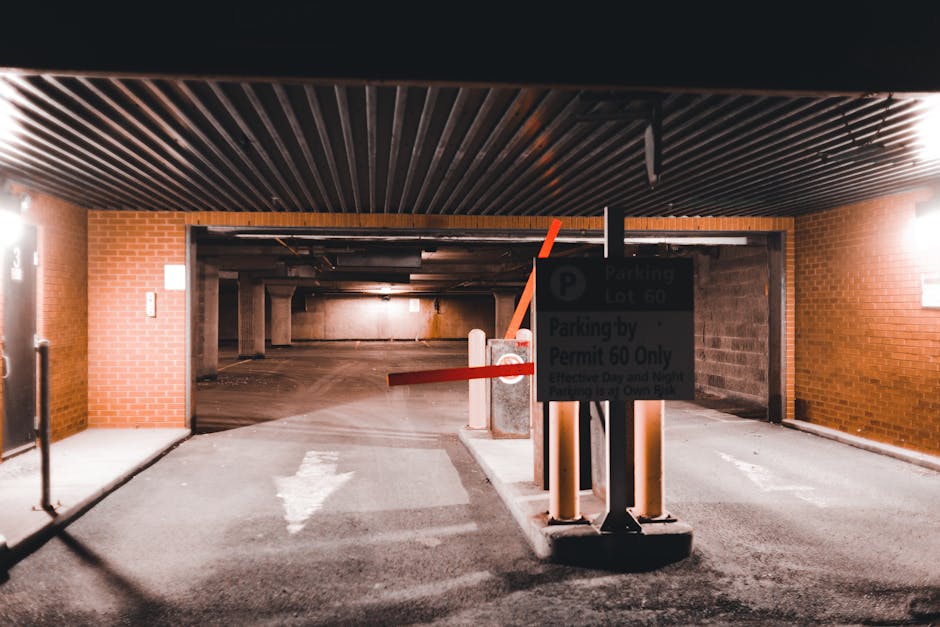
Parking suspension and permit advice for Kew removals

If you are planning a move in Kew, the parking side of the job can be just as important as the lifting side. A perfectly packed van is no use if it cannot stop close enough to the front door. That is where Parking suspension and permit advice for Kew removals becomes genuinely useful: it helps you avoid fines, delays, awkward loading distances, and the kind of morning stress nobody wants on moving day.
Kew has a mix of residential streets, busy local roads, controlled parking zones, and properties where access is tight or shared. In practice, that means you need a clear plan for where the vehicle will stop, whether a suspension is needed, and whether a permit or dispensation is required. In this guide, we will walk through the practical side of it all, from timing and paperwork to common mistakes and sensible best practice. No fluff. Just the stuff that saves time and keeps the move moving.
Why Parking suspension and permit advice for Kew removals Matters
Removal day is already busy enough. Boxes are stacked near the door, someone is looking for tape that was definitely on the counter five minutes ago, and the kettle has somehow become the most important item in the house. If the van cannot park where it needs to, everything gets harder. That is the simple truth.
Parking arrangements matter in Kew because a move often depends on short, safe loading distances. Even a few extra metres can slow the job down when you are carrying wardrobes, white goods, or awkward furniture. It also reduces the risk of damage if items have to be wheeled further than planned. For flats, maisonettes, and narrow terraced streets, this can make a big difference.
There is also the compliance side. If you assume there will be space and there is not, you may end up with avoidable parking issues. On a packed street, that can mean stress for the movers, frustration for neighbours, and a longer day overall. A little parking planning tends to pay for itself in peace of mind. Not glamorous, but very real.
For people arranging a move through man and van support, or a fuller home move, the parking plan should be part of the booking conversation, not an afterthought. The same goes for anyone comparing wider removal services or organising a larger household move through home moves.
How Parking suspension and permit advice for Kew removals Works
In plain English, the process is about making sure a moving vehicle can legally and safely stop near the property at the right time. Depending on the street and the nature of the move, that may involve a parking suspension, a loading bay arrangement, a resident permit, or another local parking solution. The exact approach can vary by street and by how busy the area is on the day.
A parking suspension is usually used when a parking space or stretch of kerb needs to be kept clear for a specific purpose, such as loading a removals van. A permit, by contrast, usually allows a vehicle to park in a controlled area under certain conditions. The important distinction is this: one is generally about reserving space, while the other is about authorising parking in a specific zone. Confusing the two is a classic moving-day headache. Easy to do, and annoyingly expensive if you get it wrong.
For removals in Kew, the practical workflow often looks like this:
- Check the street layout and access at both addresses.
- Work out how close the van needs to get to the front door.
- Decide whether a suspension, permit, or loading arrangement is likely to be needed.
- Allow enough lead time for any application or approval process.
- Brief the driver and moving team on arrival instructions, times, and any restrictions.
That planning becomes even more important if you are combining your move with services like packing and boxes, packing and unpacking services, or temporary storage. The more moving parts you have, the more valuable a clean parking plan becomes.
Key Benefits and Practical Advantages
The most obvious benefit is convenience, but there are several more that people only notice once the move is underway.
- Shorter carrying distances: fewer trips up and down the pavement, which saves time and energy.
- Lower risk of damage: furniture is moved less far, and there are fewer chances for bumps or scrapes.
- Less moving-day pressure: a clear parking plan reduces the "where are we going to stop?" scramble.
- Better crew efficiency: movers can focus on handling, not hunting for a spot.
- Reduced likelihood of parking issues: if the vehicle is expected, arranged, and positioned properly, you are in a much safer place operationally.
There is also a subtle but important benefit: goodwill. Neighbours tend to be more understanding when a move looks organised. A van that arrives in the right bay, at the right time, with the right plan, feels controlled rather than disruptive. That matters more than people think.
If your move is business-related, parking planning can be even more valuable. Office relocations, for example, often rely on a tight schedule and minimal downtime. In those cases, it can be worth looking at office removals or broader commercial moves support so the logistics are coordinated properly from the outset.
Who This Is For and When It Makes Sense
This advice is useful for almost anyone moving in or out of Kew, but some situations benefit especially from proper parking planning.
- Households in terraced streets or narrow roads: access is often limited and parking can be tight.
- Flat movers: if there are shared entrances, lifts, or restricted loading areas, parking becomes central to the whole day.
- Families moving larger loads: more furniture means more van time and more need for proximity.
- Students: even a smaller move can go sideways quickly if parking is not checked in advance.
- Businesses: offices, studios, and workshops need a controlled loading plan to keep disruption down.
It also makes sense if your timing is awkward. Early mornings, school-run hours, weekends, or end-of-month moves can all make street parking harder to manage. If you are on a deadline, a same-day arrangement may be possible in some cases, but that makes parking planning even more important, not less. A fast move still needs a sensible curbside strategy.
For students, the same principle applies, although the load may be smaller. A surprisingly common pattern is a student booking a van, then realising the building entrance is on a busy road with limited stopping space. In that scenario, student removals can be a far calmer solution when the access issues are properly thought through.
Step-by-Step Guidance
Here is a straightforward way to handle parking suspension and permit planning without overcomplicating it.
- Check both addresses early. Look at the street outside the old and new property. Is there space to stop? Are there yellow lines, resident bays, shared courtyards, or time restrictions?
- Measure the practical loading distance. You do not need a laser survey. Just think about how many trips the team would need if the van had to park at the far end of the street.
- Decide what kind of parking control is needed. Sometimes a short loading stop may be enough. In other situations, a reserved space or permit arrangement is the safer choice.
- Build the parking plan into your move booking. Tell the removals team what the street is like, whether access is one-way, and whether there are any obvious bottlenecks.
- Allow time for approval or preparation. Do not leave it until the last minute. That is when people start making hopeful guesses, and hopeful guesses are not a strategy.
- Confirm arrival instructions clearly. Share door numbers, entry codes, flat levels, and where the vehicle should stand.
- Have a backup option. If the planned space is taken or access changes, know the nearest workable alternative.
When customers are organised on these basics, the rest of the move usually feels smoother. One family in a typical Kew terrace-style street, for example, thought they had plenty of time. Then a neighbour's car shifted into the only sensible loading space the night before. Because they had already discussed an alternative with the team, the morning still ran more or less on schedule. Not perfect. But manageable. And on moving day, manageable is gold.
Expert Tips for Better Results
If you want the parking side of a Kew move to go well, the details matter more than grand gestures.
- Send photos of the street if you can. A few pictures often reveal more than a long explanation.
- Be honest about access problems. If the road is awkward, say so. Nobody benefits from surprises at 8:00 in the morning.
- Plan for the largest item first. A sofa or wardrobe may determine the best stopping position, not the cardboard boxes.
- Keep the key route clear. Hallways, front steps, and building entrances can become pinch points very quickly.
- Work backwards from the van position. Ask: how would the crew load this if the vehicle stood here?
It is also worth thinking about the type of vehicle. A smaller van may be easier to place on a cramped street, while a larger truck can be better for volume but trickier for access. That trade-off matters. If your move is straightforward, a removal van might be enough. If the load is substantial, a larger moving truck may be more efficient, provided the road can take it.
And a tiny human tip: keep your phone charged. The number of moving-day access questions that get solved by one quick call is ridiculous. Slightly ridiculous, actually.
Common Mistakes to Avoid
Most parking problems are avoidable. The annoying part is that they are often caused by small assumptions rather than major errors.
- Leaving parking arrangements too late. The best time to sort access is before the packing chaos starts.
- Assuming the street will be free. In Kew, that is often a gamble rather than a plan.
- Forgetting the return journey. You may have space at one address but not the other.
- Not telling the movers about restrictions. One missing detail can change the whole loading sequence.
- Choosing the wrong vehicle size. Too small means extra trips; too large may make access harder.
- Ignoring nearby road activity. School runs, deliveries, and weekend traffic can all affect how easy it is to stop.
Another common one is forgetting the human side of the move. If a parking space is technically available but too far from the entrance to move heavy items safely, that is still a problem. It might be legal, but it is not efficient. There is a difference.
For some moves, especially when furniture needs lifting through tight spaces, it helps to think of parking as part of the lifting plan. The closer the vehicle, the less strain on the team and the less chance that an awkward corner or doorstep becomes an issue. That is one reason many people combine parking planning with furniture removals or a more comprehensive set of removal services.
Tools, Resources and Recommendations
You do not need a complicated toolkit to organise parking properly, but a few simple things help a lot.
- Street photos: useful for showing narrow access, bays, corners, and restrictions.
- Floor plans or building notes: especially helpful for flats, offices, or shared properties.
- Move timetable: keeps everyone clear on arrival windows and loading order.
- Inventory list: tells you whether a small van will do or whether a larger vehicle makes more sense.
- Contact details for key people: landlord, building manager, porter, or a neighbour if access is shared.
Where the move involves unusual items, parking planning becomes more important again. A piano, for example, is not just another box with ambition. It needs suitable access, a sensible stopping point, and a team that knows what it is doing. That is why people often pair difficult access with specialist piano removals rather than treating it like a standard lift.
If you are still weighing up overall costs or service scope, the page on pricing and quotes is a useful place to understand how a move may be assessed. For trust and accountability, it can also help to review the company's approach to health and safety and insurance and safety.
Law, Compliance, Standards, or Best Practice
Parking arrangements for removals should always be handled carefully and in line with local rules, building requirements, and general road safety principles. In the UK, it is wise to assume that restrictions may apply unless you have confirmed otherwise. That includes controlled parking zones, resident bays, yellow lines, private land conditions, and timed loading restrictions.
Best practice is simple: do not rely on guesswork, and do not use a stopping position that could create a hazard or block access. If a suspension, permit, or loading arrangement is needed, make sure it is agreed in advance and matches the actual move conditions. Sounds obvious, but during a move people can get tempted into a quick fix. Quick fixes are rarely quick, and they are often not fixes at all.
It is also sensible to keep clear records of what has been arranged, who confirmed it, and what times apply. That way, if there is a misunderstanding on the day, you have something concrete to refer back to. Good compliance is often less about bureaucracy and more about being able to show that you acted responsibly.
For a reputable removals provider, wider business standards matter too. A professional operation should have clear information on payments, privacy, complaints, and terms. If you want to understand how the company presents these basics, the pages on payment and security, privacy policy, and terms and conditions can help reassure you that the administrative side is being handled properly.
Options, Methods, or Comparison Table
Different moves need different parking approaches. Here is a simple comparison to help you think it through.
| Option | Best for | Pros | Potential drawback |
|---|---|---|---|
| Short loading stop | Very brief collections or easy-access properties | Simple, quick, minimal planning | Can be risky if the street is busy or restricted |
| Resident or visitor permit arrangement | Properties in controlled parking areas | More predictable stopping arrangements | Needs correct setup and timing |
| Parking suspension | When a specific space needs to stay clear for the van | Useful for keeping the loading zone open | Usually needs more preparation and coordination |
| Alternative nearby loading point | Awkward streets or tighter access | Flexible and sometimes easier to arrange | May increase carrying distance |
The right option depends on the street, the size of the job, and how much room you have to manoeuvre. A flat move in a side road is not the same as a full family house move with bulky furniture. Likewise, a smaller man with van arrangement may suit a short stop better than a larger vehicle booking. One size does not fit all here.
Case Study or Real-World Example
A couple moving from a first-floor flat in Kew to a house a few streets away had what seemed like a straightforward job. Only it wasn't. The old property sat on a road where on-street parking filled up quickly, and the new street had a tighter layout than they expected. On paper, the whole thing looked fine. In practice, it needed planning.
They shared photos of both streets, the van size was chosen with access in mind, and the loading order was set before moving day. The team knew which items were coming down first, and the couple kept the hallway clear while the crew worked. There was a brief moment where a delivery driver slowed things down. Normal stuff. But because the stopping point and timing had been thought through, the move stayed on track.
What made the difference was not luck. It was the boring little details: access notes, realistic timing, and a sensible parking arrangement. That is often how smooth moves happen. A bit unexciting, perhaps, but very effective.
Practical Checklist
Use this checklist before moving day. It saves a lot of back-and-forth.
- Confirm the old and new addresses.
- Check whether parking outside both properties is restricted.
- Decide whether a suspension, permit, or alternate loading point is needed.
- Send access notes and photos to the removals team.
- Confirm the likely arrival time and loading window.
- Make sure entry codes, keys, and contact numbers are ready.
- Keep hallways and doorways free of clutter.
- Reserve space for the largest furniture items first.
- Have a backup plan if a space is taken.
- Double-check the vehicle size against the street access.
And one more, because it matters more than people admit: tell everyone involved the plan in plain English. Not "it should be fine." A real plan. Simple, direct, no drama.
Get a free quote today and see how much you can save.
Conclusion
Parking suspension and permit advice for Kew removals is really about removing friction before it happens. When access is planned properly, the move feels calmer, quicker, and far less chaotic. You protect the furniture, save time, and give the team the best possible setup to do the job well.
Whether you are moving a flat, a family home, or a business space, the same principle applies: check the street, think through the vehicle position, and prepare early. It is a small bit of admin that can change the whole day. And truth be told, that small bit of admin is often the difference between a move that feels frantic and one that feels under control.
If you want to take the next step with confidence, review the service pages that match your move, then speak clearly about access, timing, and parking. That's the practical route. Nothing fancy. Just solid preparation, done properly, and it really does make a difference.
Frequently Asked Questions
Do I need a parking suspension for every Kew removal?
No. Some moves can be handled with a permit, a loading stop, or simply careful timing. A suspension is usually only needed when a specific parking space must be kept clear.
What is the difference between a permit and a parking suspension?
A permit usually allows parking under certain conditions in a controlled area. A parking suspension is generally used to reserve or clear a space for a particular purpose, such as loading a removals van.
How early should I sort out parking for a move in Kew?
As early as possible. The earlier you check access and parking restrictions, the easier it is to avoid last-minute problems. A few days can matter a lot, especially on busy streets.
What if there is no space directly outside my property?
Then you may need to plan for a nearby loading point, a different vehicle size, or a parking arrangement that keeps the route as short as possible. The key is to think in practical terms, not just legal ones.
Can a smaller van help with tight Kew streets?
Yes, often it can. A smaller vehicle may be easier to position on narrow roads or in awkward access areas. That said, the best choice depends on the total load and how much loading time you want to avoid.
What should I tell the removals team about parking?
Tell them about restrictions, one-way streets, bays, driveways, gate codes, building access, and any nearby obstructions. Photos are helpful too. Honestly, they can save a lot of guessing.
What happens if someone parks in the space I was planning to use?
That is why a backup plan matters. You may need to use a different side of the street, a nearby loading area, or adjust the vehicle position. If the space is critical, raise the issue early so it can be managed before moving day.
Are parking arrangements more important for flat removals?
Usually, yes. Flats often involve shared entrances, narrower access, and longer carry distances. Good parking planning helps keep the move efficient and reduces disruption in communal areas.
Should I arrange parking differently for office moves?
Yes, ideally. Office relocations often need tighter timing and less disruption to staff or neighbours. Parking should be treated as part of the wider moving plan, especially for larger commercial jobs.
Is it worth paying attention to health and safety during loading?
Absolutely. The shorter and clearer the route from van to property, the easier it is to manage lifting safely. Good parking and safe handling go together. One helps the other, simple as that.
What if I am only moving a few items?
Even a small move can benefit from proper parking advice if access is awkward. A few items through a tight street can still take more time than expected, particularly if the van cannot stop close by.
Where can I find more information before booking?
It is sensible to review the relevant service pages, especially if you are comparing vehicle size, packing support, or storage options. Pages such as removals and removal companies can help you understand the broader service picture before you make a decision.