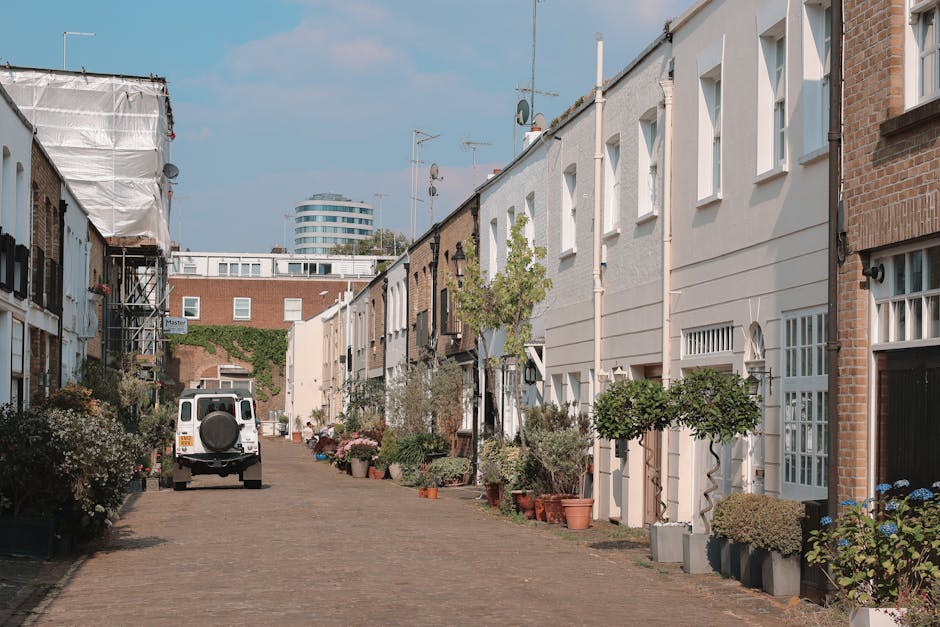
Narrow street removals tips for Kew Gardens residents

If you live in Kew Gardens, you already know that a move can feel straightforward on paper and then become tricky the moment a van meets a tight side street, a parked car, or a row of awkwardly placed bins. Narrow street removals tips for Kew Gardens residents are all about making the day calmer, safer, and less rushed. The good news? With the right planning, even a delicate move can run smoothly. In this guide, you'll find practical advice on access, packing, timing, vehicle choice, and the small details that make a big difference on local streets.
Let's face it: in a place like Kew, the street itself can be part of the moving plan. That is not a problem. It just means you need to think a step ahead.
Why narrow street removals matter in Kew Gardens
Narrow streets change everything about a house move. Turning room is tighter, reversing takes longer, and loading can become a balancing act if the vehicle cannot park close enough. In Kew Gardens, that can be especially relevant where roads may be lined with parked cars, mature trees, shared access, or homes with limited frontage. One missed detail can add half an hour, or more, and a move that should have felt orderly starts to feel like a scramble.
For residents, the main issue is not just vehicle size. It is the whole chain of events: getting the right van, choosing the right time, protecting property, and moving items without blocking the road or straining anyone's back. If you are moving from a flat, a period terrace, or a home with limited front access, the margin for error is small. Very small.
That is why planning matters so much. Services such as man with van support, flat removals, and home moves are often better suited to this kind of local job than a one-size-fits-all approach. The aim is simple: fit the move to the street, not the other way round.
How narrow street removals work
In practical terms, a narrow street move is a logistics exercise. You are trying to match the size of the vehicle, the timing of access, and the volume of your belongings to a real-world street layout. The best results usually come from reducing friction before moving day even starts.
Here is the basic sequence. First, assess the access route from your door to the parking point. Then work out what size vehicle can realistically use the street without causing congestion or risking damage. After that, plan the packing so loading is fast and organised. Finally, decide whether you need extra hands, temporary storage, or a more flexible schedule. Simple to say. A bit more involved to do properly.
For many local residents, a smaller vehicle or a flexible crew makes more sense than forcing a large lorry into a tight road. If you need transport with more manoeuvrability, it can help to compare removal van options, man and van support, and, where the job is larger, a moving truck. The right choice depends on your furniture, the number of trips, and how much street space you can safely use.
Truth be told, the best narrow-street moves tend to look uneventful. That is the goal. No drama, no bottlenecks, no frantic carrying because the van had to park two streets away.
Key benefits and practical advantages
Getting the narrow-street side of the move right is not just about convenience. It can improve the whole experience in a few important ways.
- Less risk of damage: fewer awkward turns, fewer long carries, and less chance of bumping walls, gates, or railings.
- Faster loading and unloading: if the van can park nearer to the property, the team spends more time moving items and less time walking back and forth.
- Better safety: a clear plan reduces rushing, lifting strain, and awkward manoeuvres on the pavement.
- Lower stress: when everyone knows where the vehicle is going to stop and who is carrying what, the day feels more manageable.
- Fewer surprises: a careful pre-check helps reveal access issues, low branches, shared driveways, or parking constraints before they become problems.
There is also a quieter benefit: the move feels more respectful of your neighbours. On narrow roads, a little consideration goes a long way. You notice it most in the moments that are too easy to overlook - the van not idling for ages, the lift not blocking the entrance, the boxes being carried efficiently instead of dumped on the pavement.
Who this is for and when it makes sense
These tips are useful for a lot of people, but especially for residents in smaller streets, maisonettes, terraces, converted buildings, and flats where access is tight. If you live in a part of Kew Gardens where parking is competitive and the street width is limited, you will probably benefit from a more carefully organised move than the standard "turn up and load" approach.
This is also relevant if you are moving:
- from a top-floor flat with narrow stairs
- from a house with limited front access
- with bulky furniture that needs careful handling
- with fragile items like mirrors, artwork, or instruments
- on a weekday when road activity is already busy
- at short notice, when the planning window is tight
If your move includes delicate or awkward items, it may be worth looking at specialist support such as piano removals or furniture removals. Those services are not just for grand, difficult jobs. Sometimes they are simply the safest way to handle one item that could otherwise dominate the day.
And if you are moving out of a smaller property, the combination of packing and boxes and a well-planned vehicle load can make the difference between a tidy handover and a messy, slow exit. No one wants the final hour of a move to become a box-and-sweat marathon.
Step-by-step guidance
Below is a practical way to approach a narrow street removal. It is not fancy, but it works.
- Measure the access properly. Check the width of the street, any tight turns, kerbs, gates, and the path from door to vehicle. Even a rough measurement is better than guessing.
- List the large items first. Sofas, wardrobes, beds, appliances, desks, and anything heavy should be identified before you choose the vehicle.
- Decide what can be dismantled. Flat-pack furniture is one thing; a wardrobe in one piece is another. Take apart what you safely can.
- Reserve the right moving support. If your access is tight, a flexible crew and the right vehicle size matter more than just choosing the cheapest option.
- Pack for speed, not just for storage. Label boxes by room and priority. Put essentials in a separate bag so you are not hunting for a kettle at 9pm.
- Clear the route inside the property. Hallways, stairwells, and front steps should be free of clutter well before the van arrives.
- Plan where the van will stop. Think about loading angles, door swing, and whether the driver can park without forcing pedestrians into the road.
- Keep the first-load items obvious. Items you need early at the new place should go near the door or be marked clearly.
- Have a backup for overflow. A short-term storage plan can save the day if the new home is not fully ready or if access timing changes.
- Do a final sweep before departure. Check cupboards, loft spaces, behind doors, and under beds. It is always the last drawer, isn't it?
If you want a smoother day overall, it can help to pair the move with packing and unpacking services. That is especially useful when you are juggling work, school runs, or a same-week completion. Not glamorous. Very useful.
Expert tips for better results
In our experience, the difference between a decent move and a really well-run one is usually found in the details people skip. Here are the ones worth paying attention to.
- Use a spotter on tight turns. One person guiding the vehicle can reduce the risk of clipping mirrors, wheels, or low walls.
- Move the heaviest items first. Load them while everyone is fresh. The last hour of a move is not the time for a heavy sofa wrestling match.
- Keep boxes consistent in size. Smaller, uniform boxes stack better and are easier to carry through narrow spaces.
- Protect door frames and corners. Corner guards, blankets, and tape can save a lot of cosmetic damage.
- Use clear labels. "Kitchen - fragile" is more helpful than a scribble that only makes sense to you at 6am.
- Check the weather the day before. Rain changes everything on a narrow street: grip, footing, and how quickly the team can load.
- Keep children and pets away from the loading zone. It sounds obvious, but busy moving days can get chaotic very quickly.
One small practical habit helps more than people expect: stage the move in zones. Put everything by room, then by loading order. It feels a bit repetitive at the start, but once the vehicle is there, the rhythm is much better. And, yes, rhythm matters.
If you are comparing providers, do not look only at the headline service. Look at the support behind it too: removal services, removal companies, and even simple communication about timing and access can be the deciding factor. A friendly, organised team is worth a great deal on a cramped street.
Common mistakes to avoid
A lot of moving headaches come from a handful of avoidable mistakes. The good news is they are easy to spot once you know what to look for.
- Choosing a vehicle before checking access. A bigger vehicle is not always better. Sometimes it is just harder to place safely.
- Leaving packing until the last minute. Last-minute packing creates random box sizes, missing labels, and fragile items wrapped in a hurry.
- Ignoring parking realities. On a narrow street, parking is part of the job. If the van cannot stop close by, the whole move slows down.
- Failing to measure bulky furniture. A wardrobe that fits in the room may still be awkward to carry through a tight hallway or stairwell.
- Not protecting surfaces. Small scrapes add up. A chipped skirting board here, a scuffed wall there - it happens fast.
- Overfilling boxes. Heavy boxes are harder to carry and more likely to split. That is one mistake people only make once.
Another common issue is underestimating how long loading takes in a cramped area. A move may look small, but tight access turns every extra trip into time. If you are working to a deadline, consider whether same day removals are actually the right fit or whether a slightly more flexible schedule will reduce pressure. Speed is useful. Rushing is not the same thing.
Tools, resources and recommendations
You do not need specialist kit for every move, but a few simple tools make a narrow-street job much easier. Most of these are unglamorous, which is exactly why they help.
- Measuring tape: for checking furniture dimensions and access points.
- Furniture blankets: to protect wood, upholstery, and painted surfaces.
- Ratchet straps or load restraints: helpful for securing items inside the vehicle.
- Marker pens and labels: basic, but essential.
- Box cutters and tools: for dismantling furniture and opening cartons at the new property.
- Gloves and sturdy footwear: practical protection for lifting and moving on uneven pavement.
- Plenty of tape: more than you think you need. Always more.
As for service choices, it helps to match the support to the size of the move. For small to medium domestic jobs, a man with van arrangement can be efficient. For larger house moves, house removals or even house removalists may be more suitable. If you are moving from a smaller property, flat removals can give you the right level of support without overcomplicating the day.
Commercial relocations need a different rhythm again. If your move involves a workspace, files, desks, or equipment, commercial moves and office removals deserve a separate plan because timing, access, and downtime have a bigger impact.
Law, compliance and best practice
For narrow street removals in the UK, the most sensible approach is to follow normal road safety and moving best practice rather than trying to improvise on the day. You should avoid blocking access, use safe lifting methods, and make sure the vehicle can stop legally and sensibly for loading. If the move requires temporary parking arrangements, those should be organised in advance where needed.
It is also sensible to check building rules if you live in a managed block or a property with shared access. Some homes have booking windows for lifts, loading bays, or internal access routes. If you do not check these early, the move can stall for reasons that have nothing to do with the van itself.
From a safety point of view, good operators should have clear working practices, appropriate insurance, and a sensible approach to risk. If that matters to you, read a provider's health and safety policy and insurance and safety information before booking. That is not being fussy. It is common sense.
On the practical side, a reputable mover should also be transparent about pricing, payment, and terms. These details are not the exciting part of the job, but they matter when you are comparing options or checking what is included. Look at pricing and quotes, payment and security, and terms and conditions so you know where you stand before moving day.
Options and comparison table
Here is a simple comparison to help you decide which type of support is likely to suit your street and your load.
| Option | Best for | Strengths | Possible drawback |
|---|---|---|---|
| Man and van | Small to medium moves, flexible access, tighter roads | More manoeuvrable, often easier to park close by, practical for local jobs | May need more than one trip for larger homes |
| Removal van | Compact domestic moves and apartment clearances | Good balance of space and access, often suitable for narrow streets | Not ideal for very large or heavily furnished homes |
| Moving truck | Larger household moves with easier street access | More capacity, fewer trips | Can be awkward on narrow roads and limited turning areas |
| Full removal service | Busy households, fragile items, and time-sensitive moves | More hands, better coordination, less stress | Usually a bigger commitment than a minimal service |
| Storage plus removals | Moves with timing gaps or staggered access | Great when completion dates or keys are not perfectly aligned | Requires more planning and coordination |
There is no single right answer. A good choice depends on your street, your furniture, and how much of the move you want handled for you. If you are unsure, a conversation with a mover usually reveals the obvious answer quite quickly.
Case study or real-world example
A typical narrow-street move in Kew Gardens might involve a two-bedroom flat with a sofa, bed frames, several book boxes, and a dining table. The street is tight, parking is limited, and there is a short walk from the nearest sensible stopping point to the front door.
In that situation, the move works best when the packing is done the day before, the furniture is partly dismantled, and the load order is planned in advance. The team parks where it is safe and legal, then uses a clear sequence: large items first, boxed contents second, delicate pieces last. The resident keeps essentials aside, keys accessible, and hallways clear. Nothing dramatic. Just well-organised work.
What makes it succeed is not one heroic decision. It is a chain of small ones. The box labels are clear. The route is clear. The vehicle choice is sensible. The move is completed without constant stopping and restarting, which is what usually causes stress in a narrow street setting.
A similar approach works for students, too. If you are moving from rented accommodation or a room in a shared house, student removals can be a practical fit when you only have a few bags, a desk, and a mattress to shift. Different scale, same principle: match the method to the space.
Practical checklist
Use this simple checklist a few days before the move. It is the kind of list you print, then still add a couple of things to by hand. That is normal.
- Measure the narrowest parts of the route.
- Check where the van can legally and safely stop.
- Confirm whether any access booking is needed for your building.
- Decide which furniture must be dismantled.
- Label every box by room and priority.
- Prepare an essentials bag with documents, chargers, medication, and toiletries.
- Protect floors, corners, and door frames.
- Set aside valuables and important papers.
- Keep pets and children away from loading areas.
- Confirm the moving time, contact number, and any access notes.
- Consider whether you need storage or a second-trip plan.
- Double-check the final rooms, cupboards, and loft spaces before leaving.
Quick takeaway: if the street is tight, the safest move is the one that is planned around access first and furniture second. That sounds backwards, maybe, but it is exactly what keeps the day under control.
Get a free quote today and see how much you can save.
Conclusion
Narrow street removals in Kew Gardens do not have to be complicated. They do, however, reward thoughtful planning. When you measure properly, choose the right vehicle, pack with purpose, and keep the access route clear, the whole move becomes more manageable. You save time, reduce stress, and protect both your belongings and the street around you.
If there is one simple lesson here, it is this: do the quiet work before moving day. The tape, the labels, the measurements, the vehicle choice - none of it feels exciting at the time, but it all pays off when the van arrives and everything just flows.
And that is the real goal, isn't it? A move that feels handled, not hurried.
Frequently Asked Questions
What are the biggest challenges with narrow street removals in Kew Gardens?
The main challenges are limited parking, reduced turning space, longer carrying distances, and the need to avoid blocking access for neighbours or traffic. Planning usually solves most of it.
Is a man and van suitable for a narrow street move?
Often, yes. A smaller, more manoeuvrable vehicle can be a very sensible choice for tight streets, especially if you are not moving a huge volume of furniture.
Should I choose a moving truck or a smaller vehicle?
It depends on access and load size. A moving truck gives you more capacity, but it may be awkward on a narrow road. A smaller vehicle can be easier to position and may reduce loading stress.
How far in advance should I plan a narrow street removal?
As early as you can. Even a short local move benefits from a proper access check, clear packing, and a sensible vehicle choice. Leaving it until the last day is where problems begin.
What should I do if my street has very limited parking?
Focus on the closest safe stopping point, confirm the load route, and keep the move organised so items can be carried efficiently. If needed, speak to the mover about a vehicle size that suits the road rather than forcing a larger one.
Can narrow street removals be done in one trip?
Sometimes, yes. It depends on the volume of belongings, how much can be dismantled, and the capacity of the vehicle. For some homes, two smaller trips are less stressful than one overloaded attempt.
Do I need specialist help for bulky items?
If you have heavy or awkward pieces like a piano, large wardrobes, or fragile furniture, specialist handling is sensible. It protects the item, the property, and the people doing the lifting.
What should I pack first for a narrow street move?
Start with non-essential items, then build by room. Keep essentials separate so they are easy to find. The aim is to make loading fast, not to create one giant mystery box situation.
How can I reduce the chance of damage on a tight street?
Use protective covers, move carefully with a guide where needed, keep the route clear, and avoid rushing. Damage usually happens when people are hurrying or trying to force items through awkward spaces.
Is storage useful if my move date is uncertain?
Yes. Storage can be very useful if access timing changes or if the new property is not ready yet. It gives you breathing room and prevents a last-minute scramble.
What if I am moving from a flat with narrow stairs as well as a narrow street?
That is where careful planning matters most. A flat move with tight stairs and limited street access usually benefits from a well-organised service such as flat removals, plus clear packing and a realistic schedule.
How do I know whether my move is too small or too tricky for a standard service?
If access is awkward, furniture is bulky, or the timing is tight, even a small move may need more coordination than expected. A quick discussion with a removals provider usually makes the right level of support clear.