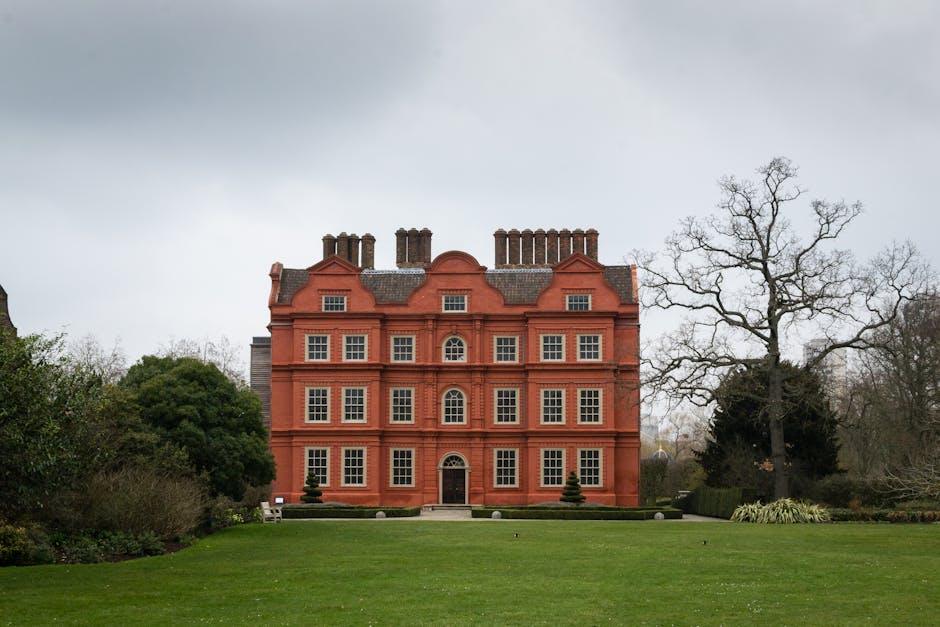
Kew Gardens Landmark Removals Guide for TW9 Homes
Moving home in TW9 can feel straightforward on paper, then suddenly become very specific once you factor in conservation-style streets, landmark-adjacent parking, tight access, and the practical realities of shifting furniture near Kew Gardens. This guide to Kew Gardens landmark removals for TW9 homes is designed to help you plan sensibly, avoid expensive surprises, and make the move feel less like a scramble and more like a well-run project. Whether you live in a period flat, a family terrace, or a modern apartment with awkward loading access, the right approach makes a real difference.
Below, you'll find a clear explanation of how these moves work, what matters most, where problems usually appear, and how to prepare your home so the day runs smoothly. You'll also find a checklist, a comparison table, and practical internal resources if you want to go deeper on packing, lifting, and move-day planning.
Why Kew Gardens landmark removals guide for TW9 homes Matters
TW9 is one of those areas where the surroundings are part of the challenge. Roads around Kew Gardens can be busy, access can be narrow, and a simple loading plan can fall apart if you have not thought through timing, parking, or how far items must be carried. If your home sits near a landmark, a park-facing road, or a busy local thoroughfare, the move is less about brute force and more about coordination.
That matters for three reasons. First, delays cost time, and time on moving day often turns into stress very quickly. Second, awkward access increases the risk of scratched floors, clipped door frames, and damaged furniture. Third, a poorly planned move often forces avoidable improvisation, and improvisation is rarely kind to your back, your budget, or your confidence.
A good removal plan also protects the wider moving chain. If your boxes are organised, your furniture is prepped, and the vehicle can be loaded in the right order, the entire day becomes calmer. That calm is not a luxury. It is what keeps a move on track.
If you want more general support on preparing for moving day, a helpful starting point is the packing guide for a smoother move, which covers the kind of practical prep that saves time later.
How Kew Gardens landmark removals guide for TW9 homes Works
In practical terms, landmark removals in TW9 are about adapting a normal domestic move to a more constrained environment. The process is still familiar: survey the job, plan the route, prepare items, load safely, transport them, and unload carefully. The difference is that each stage needs more thought.
For example, a standard house move may allow parking directly outside the property. Around Kew Gardens, that may not be realistic. A removal vehicle might need to stop further away, which changes carrying distances and crew scheduling. A sofa that would normally be taken straight from the living room to the van may instead need protective wrapping, controlled handling, and a planned route through a shared hallway or front path.
Landmark removals also tend to involve a slightly higher level of neighbour awareness. You may be working around pedestrians, cyclists, visitors, or local traffic. In other words, the move is not just about your property. It is about the space around it too.
That is why many residents choose a service that can match the move to the property layout. If you are comparing help for the day itself, the local page for man with van support is a useful reference point for understanding how flexible smaller-scale removals can work in practice.
What typically happens before moving day
- A pre-move assessment of access, parking, stairwells, and item size
- Planning for fragile, bulky, or awkward items
- Clear decision-making on packing, disassembly, and timings
- Protection for floors, bannisters, and furniture surfaces where needed
What happens on the day
- The team arrives and checks the route, access, and item order
- Large pieces are wrapped or protected before movement
- Boxes and furniture are loaded in a logical sequence
- Items are secured in transit to reduce movement and damage
- Unload and placement happen according to your room plan
Key Benefits and Practical Advantages
The biggest benefit of planning a landmark-aware move is simple: fewer surprises. But there are several other advantages that are easy to overlook until you have been through a rushed move once.
- Reduced damage risk: Better route planning and item protection mean fewer knocks and scrapes.
- Less wasted time: When access is planned properly, crews spend more time moving and less time problem-solving.
- Better control of fragile items: Period features, narrow stairways, and older buildings often demand extra care.
- Improved neighbour relations: A tidy, time-aware move is less disruptive to the street.
- Lower physical strain: The right approach reduces the temptation to lift badly or rush heavy items.
There is also a quieter benefit: peace of mind. You know where everything is going. You know the job has been thought through. That feeling is worth a lot on move day, especially if you are juggling work, family, or a chain that does not give you much breathing room.
For heavier pieces, it also helps to understand how the lifting itself should be handled. The article on kinetic lifting techniques is a good companion read if you want to understand safe body mechanics in plain English.
Who This Is For and When It Makes Sense
This guide is especially relevant if you live in TW9 and any of the following apply:
- You are moving from a flat with stairs or limited lift access
- Your home sits on or near a busier road with awkward stopping space
- You have large furniture that needs careful handling
- You want to minimise disruption to neighbours or building management
- You are working to a fixed handover time and cannot afford delays
It also makes sense if you are moving from a furnished property and need to protect both the outgoing and incoming homes. A careful approach can help with end-of-tenancy standards, especially where you need to leave the property clean and presentable. For that side of the move, the guide on cleaning before leaving your home is well worth a look.
Not every move needs the same level of service. A small studio move may only need a flexible van and one or two handlers. A larger family relocation may need a more structured team. The point is not to overbuy the service; it is to match the service to the access, the items, and the deadline.
Step-by-Step Guidance
Here is a practical way to approach a TW9 move near Kew Gardens without making it harder than it needs to be.
- Walk the route from front door to vehicle. Look for tight corners, steps, low ceilings, and any items that may snag.
- Measure bulky furniture. Sofas, beds, wardrobes, and dining tables are the usual troublemakers.
- Separate what is moving from what is not. A decluttered home is faster to pack and easier to load. The premove decluttering plan can help if you are deciding what to keep.
- Pack by room and by priority. Keep essentials, documents, chargers, and one-night items easy to reach.
- Protect delicate surfaces. Use blankets, wrap, corner guards, or other suitable protection for timber, glass, and polished finishes.
- Disassemble where practical. Beds, table legs, and some shelving can often be broken down to make movement safer.
- Confirm parking and timing. If access is tight, build in extra time rather than assuming traffic will be kind. It usually is not.
- Load in the right order. Heavy, stable, and less fragile items generally go in first, with delicate boxes secured last in a way that prevents crushing.
- Check room placement on arrival. A quick walkthrough on unloading saves second-guessing later.
If you are moving large furniture, it can be worth reading the local support page for furniture removals to see how specialist handling helps with awkward pieces.
A simple planning rule
As a rule of thumb, if an item is heavy, awkward, sentimental, or expensive to replace, give it more attention than you think it needs. That applies to a piano, an antique cabinet, a king-size mattress, or even a family sofa that has somehow become part of the household identity.
Expert Tips for Better Results
Small details often make the difference between a move that feels controlled and one that feels messy. Here are the habits that tend to pay off.
- Start with access, not packing. Before you tape a single box, know where the vehicle can stop and how items will be carried.
- Use fewer, stronger boxes. Overfilled boxes are harder to lift and more likely to split.
- Keep a "first hour" box. Put tea, basic tools, toiletries, phone chargers, and a few essentials in one easy-to-find container.
- Wrap before you move, not after the first bump. A bit of prep prevents a lot of regret.
- Label rooms clearly. Clear labels beat memory every time, especially when the day gets busy.
- Protect floors where needed. Older homes and polished floors can show marks very quickly.
One very practical tip: take photos of cable setups, shelf arrangements, or item condition before dismantling. It sounds basic. It is basic. And yet it saves time when you are putting things back together later.
For people handling particularly awkward or delicate items, the article on professional piano moving is a useful reminder of why some jobs are best left to trained hands.
Expert summary: In narrow-access moves, success usually comes from sequencing, not speed. Measure first, protect properly, and load with intention. The move feels easier because the decisions were made early.
Common Mistakes to Avoid
Most moving problems are not dramatic. They are small errors that stack up. The most common ones in TW9 landmark-area moves are predictable.
- Underestimating access: A road that looks fine on a map may be awkward in practice.
- Leaving packing too late: Last-minute boxes are usually weak boxes, and weak boxes are bad news.
- Forgetting parking constraints: A van is only useful if it can actually get close enough.
- Trying to lift without a plan: If two people are carrying, they need to move as one.
- Skipping protection for furniture: A scratch on a table edge is surprisingly easy to cause and surprisingly annoying to live with.
- Mixing essentials with non-essentials: Nobody wants to dig for medication, a kettle, or work documents at 9 p.m.
Another common mistake is assuming all removals are the same. They are not. A flat near a landmark, a terrace with a narrow front path, and a larger detached home each create different challenges. If the move includes short notice or an awkward handover, you may also want to look at same-day removals as a planning reference for fast-turnaround jobs.
Tools, Resources and Recommendations
You do not need a truck full of specialist equipment to manage a good house move, but a few basics help a lot.
- Sturdy boxes: Better to use fewer strong boxes than many weak ones.
- Packing tape and dispenser: Reliable taping matters more than people expect.
- Furniture blankets or wraps: Useful for preventing scuffs during transit.
- Markers and labels: Keep room names large and obvious.
- Basic toolkit: Screwdrivers, Allen keys, and a small pouch for fixings save time on reassembly.
- Gloves and non-slip footwear: Helpful for grip, especially when carrying awkward items.
- Floor protection: Particularly sensible in older homes or properties with delicate finishes.
For a more complete move-prep approach, the services overview can help you understand the wider range of support available, from general domestic moves to more specific handling and storage needs. If you are comparing timings or want a delivery window that fits your day, the page on delivery at a time that suits you is also useful.
If you are uncertain about pricing, it is better to request a tailored estimate than guess. Local moves vary by access, item count, labour needs, and distance. A transparent quote gives you a much better basis for planning than a rough mental calculation that may be wildly optimistic.
Law, Compliance, Standards, or Best Practice
For most household moves, the key compliance issues are practical rather than highly technical. The important thing is to work safely, protect property, and avoid creating problems for neighbours or building managers. In the UK, that usually means keeping to accepted moving-day best practice: careful manual handling, sensible vehicle positioning, and respect for access or parking rules that apply to the street or building.
If your move involves a managed block, shared access, or loading restrictions, check building instructions in advance. If there are local parking rules or permit requirements, confirm them early. It is far easier to sort these details beforehand than to do an emergency rethink while a van is waiting.
Health and safety should also be treated as a real planning factor, not a box to tick at the last second. Safe lifting, clear pathways, and a sensible crew size help reduce avoidable injury. If you want a clearer sense of the standards behind that approach, the health and safety policy and insurance and safety information are useful trust pages to review before booking.
One more best practice point: protect personal data and valuable documents during the move. Passports, bank letters, tenancy paperwork, and sensitive files should stay with you rather than disappear into a general box pile. It is a small habit that prevents a lot of searching later.
Options, Methods, or Comparison Table
Not every TW9 move near Kew Gardens needs the same kind of help. Here is a simple comparison of common approaches.
| Method | Best for | Strengths | Trade-offs |
|---|---|---|---|
| Self-move | Very small loads and flexible timelines | Lower direct spend, full control | More physical effort, more risk, harder access management |
| Man and van | Smaller to medium domestic moves | Flexible, practical, good for local access issues | May need good preparation from the customer side |
| Full removal team | Larger homes or complex access | More hands, more protection, less strain on you | Higher cost, needs clearer scheduling |
For many TW9 residents, the middle option is the sweet spot. It offers enough flexibility for narrow streets and complex access without the overhead of a bigger, fully managed operation. If you want to compare service styles in more detail, the local page for removal services gives a useful overview of what can be bundled into one move.
There is no prize for choosing the most complicated option. The right choice is the one that matches the property, the deadline, and the items on the day.
Case Study or Real-World Example
Imagine a couple moving from a first-floor TW9 flat near Kew Gardens into a nearby house across the borough. The flat has a narrow stairwell, a medium sofa, a bed frame, several book boxes, and a dining table with detachable legs. There is no reliable parking directly outside, so the vehicle needs to stop a short walk away.
If they treat the move like a standard suburban house relocation, they will probably run into friction: too many loose items, time lost on the stairs, and stress about whether the van can wait. But if they plan for access properly, the day looks very different.
They measure the sofa before the move, wrap the table top, dismantle the bed frame, and box books in smaller loads. They label fragile items clearly. They keep a small essentials bag separate. They also allow extra time for carrying from the property to the van. As a result, the crew spends more time moving and less time improvising.
The move is not magically easy. It is just organised. And organised usually beats heroic.
That same logic applies if you are moving specialist items. A mattress, for example, benefits from proper handling and protective wrapping. If that is part of your load, the guide on moving beds and mattresses can help you avoid common damage and handling issues.
Practical Checklist
Use this checklist in the final 48 hours before your move.
- Confirm access arrangements and any parking restrictions
- Measure bulky furniture and check door widths or stair turns
- Pack essentials, documents, chargers, and valuables separately
- Label all boxes by room and content type
- Disassemble furniture where appropriate
- Wrap fragile or polished surfaces
- Reserve floor protection if needed
- Set aside tools for reassembly
- Keep refreshments and a small first-day kit handy
- Walk the route from front door to vehicle before loading starts
If you are still sorting the final details, it also helps to tidy the home properly before departure. A structured clean-out can make handover simpler and give you a calmer finish to the day.
Conclusion
Kew Gardens landmark removals for TW9 homes are not difficult because they are dramatic. They are difficult because they demand care, timing, and realistic planning. Once you understand access, route length, item size, and the need for proper packing, the move becomes much more manageable.
The main lesson is simple: do the thinking early. Measure the bulky pieces, protect the things that matter, label your boxes, and choose a moving method that fits the property rather than forcing the property to fit the move. That is how you reduce risk and keep the day moving at a sensible pace.
If you want a calmer, better-organised move, start with preparation and use the local resources above to fill the gaps that matter most for your home.
Get a free quote today and see how much you can save.
For a next step, you can also review the local pricing and quotes page and then get in touch when you are ready to discuss your move.
Frequently Asked Questions
What makes a TW9 move near Kew Gardens different from a standard house move?
The biggest difference is access. Streets can be busier, parking can be less convenient, and carrying distances may be longer. That changes how you pack, load, and schedule the move.
Do I need special equipment for landmark-area removals?
Not always, but furniture protection, good boxes, tape, blankets, and basic tools are very helpful. For larger or fragile items, professional handling is often the safer choice.
How far in advance should I plan a move in Kew Gardens or TW9?
As early as possible. The more access constraints you have, the more helpful early planning becomes. Even a short move can become complicated if parking or stairs are awkward.
Is a man and van service enough for this type of move?
Often, yes, especially for smaller homes, flats, or local moves with fewer bulky items. If you have a bigger property or multiple heavy pieces, you may need a fuller service.
What should I pack separately on moving day?
Keep documents, medication, chargers, keys, valuables, and one-night essentials with you. If you need them quickly, they should not be buried in general boxes.
How can I protect furniture in a narrow-street move?
Wrap sharp corners, remove loose parts, and use blankets or protective materials for polished surfaces. It also helps to plan the carrying route before lifting anything.
What if the van cannot park directly outside my property?
That is common in tighter areas. The move can still work well if the route is planned in advance and the team allows enough time for carrying items safely.
Are there safety concerns with lifting heavy items myself?
Yes. Heavy or awkward lifting can strain your back, shoulders, and hands. If an item feels unstable or too heavy to control, ask for help rather than forcing it.
How do I know if my bed or sofa needs disassembly?
If it will not comfortably fit through doors, hallways, or stair turns, disassembly is usually the safer option. Measure first rather than guessing.
Can I combine moving and storage if my timing is not fixed?
Yes, in many cases. Storage is useful if your dates do not line up neatly or if you need to stage a move in two parts.
What should I check before booking a local removals company?
Look at insurance, safety practices, pricing transparency, and whether the service matches your property type. Good communication is also a strong sign.
How do I keep the move less stressful overall?
Use a clear packing plan, label everything, prepare access details early, and avoid leaving the toughest jobs until the final hour. Calm preparation usually beats last-minute speed.
What is the best first step if I am moving from a flat near Kew Gardens?
Walk the route from the front door to the vehicle area and identify anything that could slow the move down. That one exercise often reveals the real plan better than any guesswork.