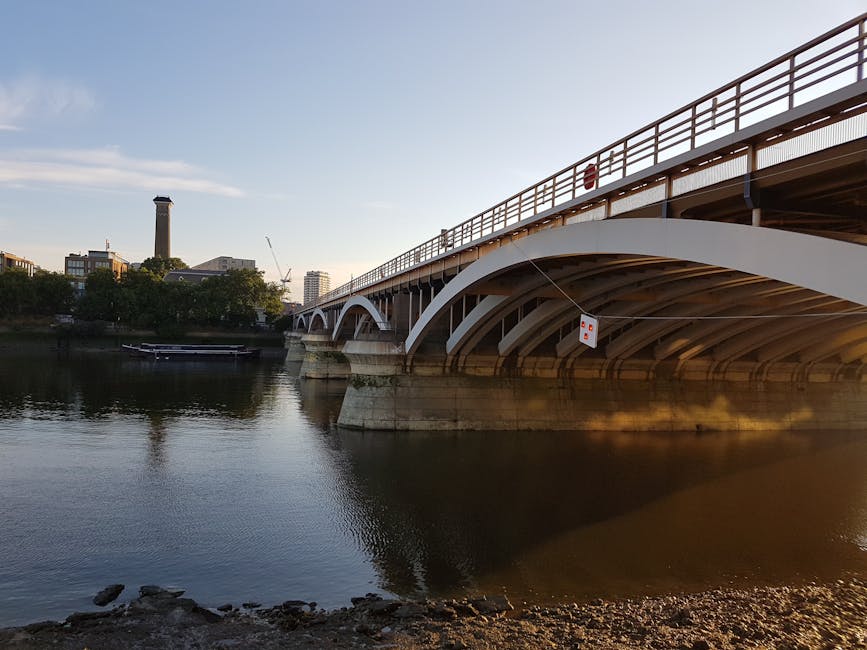
Kew Bridge access and removals solutions for riverside homes
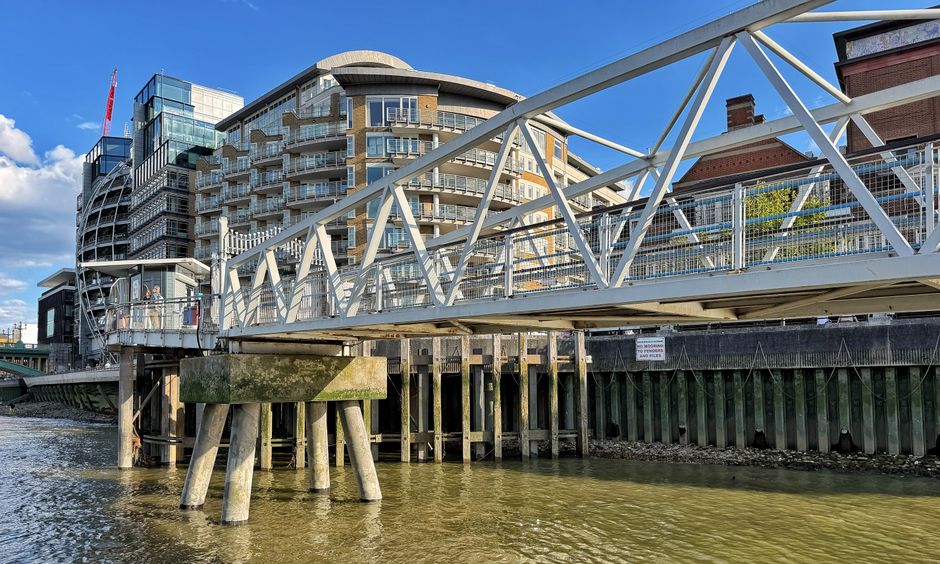
Moving in and out of a riverside property near Kew Bridge can be deceptively tricky. The road may look straightforward on a map, but once you add tight turning space, narrow access, parking pressure, steps, lift constraints, riverfront paths, and the usual moving-day rush, the job becomes something else entirely. That is where Kew Bridge access and removals solutions for riverside homes really matter: they turn a stressful move into a controlled, sensible plan that suits the property, the street, and the timetable.
If you are dealing with a flat overlooking the Thames, a townhouse with restricted frontage, or a home tucked behind busy local routes, the details count. Which vehicle can get close enough? Where can the crew safely park? Will large furniture make it through the hallway without damage? And perhaps the most annoying bit of all: how do you avoid delays that snowball by lunch time? This guide walks through the practical side of access planning, removals handling, local considerations, and the decisions that make a real difference on the day.
Truth be told, a good move in this part of London is usually won before the first box is lifted.
Why Kew Bridge access and removals solutions for riverside homes Matters
Riverside homes near Kew Bridge tend to combine a few moving challenges at once. Streets can be busier than they look, access can be shared or restricted, and parking can be a real negotiation rather than a given. If you are moving from a property close to the river, there may also be footpaths, railings, security gates, or soft landscaping that make a large van less easy to place than you would hope.
The difference between a smooth move and a frustrating one often comes down to the access plan. A crew might need a smaller vehicle, a shuttle arrangement, more hands for carrying, or a carefully timed arrival to avoid congestion. Sometimes a move that looks simple on paper needs a bit of creativity on site. That is normal. In fact, it is usually a sign someone is thinking properly about the job.
For riverside properties, the main risks tend to be damage, delay, and avoidable stress. Damage can happen to stair edges, floors, walls, garden paths, or furniture if the route is not measured and protected properly. Delay can happen if a van cannot stop close enough, if loading bays are already occupied, or if access instructions are vague. Stress? Well, that one often starts when the mover and the resident are seeing the street for the first time together.
Good access planning matters because it protects the property and saves time. It also helps you understand what the removals team will need in advance, so there are no awkward surprises when the lorry arrives and everyone suddenly realises the turning circle is a bit, shall we say, optimistic.
One small but important point: riverside homes often attract a mix of layouts, from compact apartments to larger period houses. That means the solution should never be one-size-fits-all. The right removals plan for a top-floor flat is not the same as the one for a family house with basement storage, even if both sit near the same stretch of road.
How Kew Bridge access and removals solutions for riverside homes Works
The process starts with access assessment. That does not have to be complicated, but it does need to be honest. The team should know the property type, floor level, lift size if there is one, stairs, parking options, road width, and anything that might affect carrying distance. A short phone call is often not enough for trickier jobs; a few photos or a quick walk-through can save a lot of trouble later.
From there, the move is usually planned around four practical questions:
- How close can a vehicle safely get to the entrance?
- What size vehicle is realistic for the street and load?
- Will the furniture need dismantling, wrapping, or special lifting?
- How long will loading and unloading probably take?
Once those questions are clear, the service can be matched to the property. For example, a narrow-access move may work better with a smaller man with a van setup or a flexible van-and-loader arrangement, while a full family relocation may need a larger removals team and perhaps a bigger vehicle from the start. The point is not to make it grand. The point is to make it realistic.
In many riverside moves, the route to the property matters as much as the property itself. A loading spot can look ideal until you realise it is awkward for a long wheelbase vehicle or too exposed for safe unloading. A well-run team will look at the approach, not just the front door.
Then comes the actual removals day. Good crews tend to work in a steady rhythm: protect the property, load the most awkward items first, keep pathways clear, and keep the client informed. You will notice the difference immediately. The job feels calm even when the weather is doing its usual British thing and the pavement is a bit damp underfoot.
It also helps when packing is organised properly. If boxes are labelled clearly and fragile items are grouped together, the move becomes easier to manage and less likely to unravel halfway through the stairwell. For fuller support, some people pair the move with packing and boxes or even packing and unpacking services so the team can work methodically from the first lift to the last placement.
Key Benefits and Practical Advantages
The best removals solution is not just about lifting things. It is about reducing friction. That sounds a bit corporate, but it is true. With riverside access, small efficiencies compound fast.
- Less risk of damage: When access is planned properly, there is less scraping, less awkward carrying, and fewer rushed turns through hallways or communal areas.
- Better use of time: Shorter carrying distances and the right vehicle size can noticeably cut loading time.
- Lower stress on moving day: A clear plan removes a lot of the guesswork. That alone is worth it.
- Safer handling of bulky items: Sofas, wardrobes, pianos, and white goods all behave differently in tight spaces.
- Fewer local access surprises: Shared drives, timed restrictions, and resident-only zones are easier to manage when someone has thought them through.
There is also a subtler benefit: better communication. When a removals team understands the access situation, they can speak to you more clearly about timing, manpower, and realistic expectations. No vague promises. No dramatic last-minute adjustments unless they are truly unavoidable.
For homes with furniture that does not fit neatly through standard doors, specialist handling can matter. A bulky dining table or upright piano may need more than brute strength. In some cases, a dedicated service such as furniture removals or piano removals is the cleaner, safer route.
Expert summary: the most effective riverside removals are rarely the most dramatic ones. They are the ones that quietly remove uncertainty before the van ever arrives.
Who This Is For and When It Makes Sense
This type of solution is useful for a wide range of movers, but it is especially relevant if your property has one or more of the following characteristics:
- a narrow frontage or limited roadside stopping space
- shared access with neighbours or other residents
- steps, split levels, or lift restrictions
- large or fragile items that need careful handling
- timed parking, permit, or loading complications
- river-adjacent paths or landscaped areas that limit vehicle access
It is also a sensible choice if you are moving under time pressure. Not every move allows for leisurely pacing. Maybe the keys are released late, maybe the completion timetable has shifted, or maybe the old place needs clearing before the end of the day. In those moments, access planning stops being a nice extra and becomes the thing that keeps the whole job on the rails.
Families moving from larger homes near Kew Bridge may need full-house support, while tenants in flats may need a quicker and more flexible service. Students, downsizers, and people moving a few streets away can still benefit from the same thinking. The job may be smaller, but access can still bite.
If you are unsure which service level fits, a general removal services approach is often a good starting point, because it can be adapted to the scale and complexity of the move.
And to be fair, it is better to over-prepare a little than to stand on the pavement trying to work out where the chest of drawers is supposed to go.
Step-by-Step Guidance
Here is a practical way to approach a riverside move near Kew Bridge without overcomplicating it.
- Survey the access. Walk the route from the street to the front door, or send clear photos if you are booking remotely. Include gates, steps, lifts, tight turns, and any parked cars that commonly block the way.
- List the large or awkward items. Sofas, beds, wardrobes, mirrors, bicycles, garden furniture, and appliances can affect the vehicle and crew size needed.
- Check parking and stopping options. If the vehicle cannot sit close to the entrance, loading times will change. That is not a minor detail.
- Decide whether disassembly is needed. Some items simply move better in pieces. A little dismantling can prevent a lot of grief.
- Choose the right service format. A smaller load may suit a man and van style move, while larger homes may need broader support through house removals or even home moves.
- Prepare the property. Clear hallways, protect floors if needed, and make sure access keys, codes, and concierge details are ready.
- Pack by priority. Keep essentials accessible. Kettle, documents, chargers, medication, and a change of clothes should not disappear into the last box.
- Confirm timing. Riverside access can be sensitive to traffic flow and neighbour parking patterns, so a realistic arrival window is better than an overly optimistic one.
- On the day, keep one person available. A single point of contact avoids confusion. It sounds basic. It saves headaches.
For some moves, temporary storage helps if the access is awkward or if the schedule is split across days. A service such as storage can be very useful when you are dealing with staged handovers, renovation work, or a property chain that has gone a bit wobbly.
Expert Tips for Better Results
A few experienced habits can make a big difference, especially around riverside homes where the small details matter.
- Use photos, not just descriptions. A picture of the entrance, stairwell, and street view is often more useful than ten sentences of explanation.
- Measure the awkward things. Door widths, lift doors, and the longest piece of furniture should all be checked. The tape measure is not glamorous, but it is a hero.
- Protect the route first. Floor runners, corner protection, and blanket wrapping can prevent those annoying scuffs that nobody wants to notice later.
- Plan for weather. Riverside areas can feel damp or breezy, and wet pavements slow things down. A bit of extra care at the entrance helps.
- Separate the essentials early. Keep documents, keys, medications, and chargers close by. You do not want to be hunting for them under a pile of bedding.
- Ask about loading strategy. The best way to load a van is not always the most obvious way. Weight balance matters, especially with fragile and heavy items mixed together.
One useful local observation: in areas like Kew Bridge, access can look fine at the start of the day and then become a little tighter as cars arrive, school traffic builds, or neighbours return. An early start often helps. Not always, but often enough to be worth it.
Another small tip: if you are moving a full home, label boxes not only by room but by priority. "Kitchen first-day," "Bedroom," and "Archive" tells the crew more than "misc" ever will. "Misc" is where organisation goes to disappear.
Common Mistakes to Avoid
Most moving problems near Kew Bridge are avoidable if you catch them early. The common mistakes are predictable, which is good news, because predictable problems are the easiest to prevent.
- Assuming a large van will fit everywhere. It may not. Streets near riverside properties can be awkward for bigger vehicles.
- Ignoring the carrying distance. A short parking gap can become a long walk if the van has to stop around the corner.
- Forgetting about stairs and lift limits. A lift can be present and still not be useful for oversized furniture.
- Not clearing access in advance. Recycling bins, bikes, plant pots, and hallway clutter all slow the move down.
- Underestimating fragile items. A mirror or glass table needs different handling from a box of clothes. Obvious, yes, but easy to miss in the rush.
- Leaving packing too late. Last-minute packing is where breakages and bad decisions often start.
- Not telling the team about restrictions. If there is a gate code, concierge process, or neighbour-sensitive entrance, say so early.
One of the biggest mistakes, honestly, is treating access like an afterthought. It is not. It shapes the entire removals plan. Once that clicks, the rest becomes much more manageable.
Tools, Resources and Recommendations
You do not need a warehouse of specialist kit for a good move, but a few practical tools and services can help a lot.
- Measuring tape: useful for doors, furniture, and lift dimensions.
- Furniture blankets and wraps: protect finishes, corners, and delicate surfaces.
- Strong boxes and labels: keep the load organised and safer to stack.
- Floor protection: especially helpful in period properties or homes with polished floors.
- Disassembly tools: basic screwdrivers, Allen keys, and zip bags for fittings save time later.
- Clear loading plan: even a simple written order for the van can reduce backtracking.
For people who want a more structured move, services like packing and unpacking services can take pressure off the family. Likewise, if you are moving larger items separately, furniture pick up may be a smart way to handle one-off pieces without turning them into a full relocation headache.
It is also worth understanding the broader moving support available. A dependable removals service should be able to explain how they approach access, fragile items, parking pressure, and property protection without dressing it up too much. Clear answers are a good sign.
Law, Compliance, Standards, or Best Practice
Removals work in London often involves practical compliance rather than dramatic legal complexity. The key is to operate responsibly and in line with local expectations. In plain English, that means parking sensibly, avoiding obstruction, respecting shared access, and handling goods and property with proper care.
If a move involves parking restrictions, permits, loading bays, or time-limited access, these should be checked before the day rather than guessed on the kerb. Rules can vary by street and situation, so careful planning is safer than assumption. If the building has a concierge, estate manager, or residents' process, follow it. It saves friction and keeps the day moving.
Best practice usually includes:
- protecting floors, bannisters, and walls where needed
- using appropriate lifting techniques and the right number of movers
- keeping walkways clear during loading
- ensuring the vehicle is suited to the road and load
- confirming insurance and safety arrangements before the job begins
If insurance and safety matter to you, and they should, it is sensible to review a provider's insurance and safety approach before booking. That is not being fussy. That is just common sense.
For local jobs, communication matters too. A move that respects neighbours, access routes, and shared spaces usually goes better all round. No one enjoys blocking a riverside entrance while trying to wrestle a wardrobe around a corner.
Options, Methods, or Comparison Table
Different access situations call for different approaches. Here is a simple comparison that may help you decide what fits best.
| Method | Best for | Strengths | Watch-outs |
|---|---|---|---|
| Small van / single-loader move | Light moves, tight access, small flats | Flexible, easier to park, often quicker on narrow streets | May need multiple trips for larger loads |
| Standard removals team | Most house and flat moves | Balanced capacity, more hands, better for furniture protection | Needs better parking and route planning |
| Two-person or multi-person team | Heavier or more complex riverside homes | Faster loading, safer for bulky items, good for stairs | Higher cost than a smaller setup |
| Storage-supported move | Staged completions, renovations, split dates | Flexible timing, helpful for property chains | Requires extra coordination and possibly more handling |
If you are not sure which option suits your property, think less about what sounds most efficient and more about what is least likely to create friction. A slightly smaller vehicle that gets close enough can beat a bigger one that sits awkwardly half a street away. Every time.
Case Study or Real-World Example
A typical riverside move near Kew Bridge might involve a two-bedroom flat with underground or restricted parking, a lift that is available but compact, and one or two larger items that need careful handling. Let us say the resident has a sofa, bed frame, dining table, and several boxes of books. Nothing dramatic. But the access is tight enough that a large vehicle cannot stop directly outside for long.
In that situation, the smarter plan is usually to pre-check the entrance, confirm where the vehicle can safely wait, and decide whether a smaller van is more practical than a bigger one. The movers may bring extra protection for the communal area, strip down the bed frame in advance, and load the heaviest boxes first so the route through the building is kept short and clear.
What tends to make the biggest difference is the booking conversation. If the resident shares photos of the entrance, the parking layout, and the lift, the team can prepare more accurately. That means fewer surprises, less standing around, and a calmer handover at the end. Not fancy, just effective.
In our experience, the moves that go best in these situations are rarely the ones with the biggest budget. They are the ones with the best information.
Practical Checklist
Use this checklist before moving day. It keeps the important bits in one place.
- Confirm the full property address and access instructions
- Check if a van can stop near the entrance
- Measure doors, stairs, and lift openings where needed
- Identify any oversized or fragile furniture
- Decide whether disassembly is required
- Prepare parking, permit, or loading details
- Protect floors and common areas if appropriate
- Label boxes by room and priority
- Keep keys, documents, chargers, and essentials separate
- Tell the removals team about gates, codes, or concierge procedures
- Confirm arrival time and contact number
- Arrange storage if completion dates are split or uncertain
If you tick off just those basics, you are already ahead of many moves. Simple, really. Not easy, but simple.
Conclusion
Kew Bridge access and removals solutions for riverside homes are really about one thing: making a complicated environment feel manageable. Riverside properties can be beautiful, well located, and full of character, but they often ask a little more from the move itself. Access may be tighter, parking more delicate, and the furniture less cooperative than you had hoped. A careful plan solves most of that before it starts.
The best approach is to think practically, ask the right questions early, and choose a removals setup that fits the property rather than forcing the property to fit the move. That mindset saves time, reduces damage risk, and gives you a far steadier moving day. Which, let's face it, is what everybody wants.
Get a free quote today and see how much you can save.
And if you are standing by the river with boxes stacked by the hall door, take a breath. With the right plan, the whole thing can still go smoothly.
Frequently Asked Questions
What are Kew Bridge access and removals solutions for riverside homes?
They are tailored moving plans designed to handle the access challenges common to riverside properties near Kew Bridge, such as narrow streets, parking limits, shared entrances, stairs, lifts, and awkward carrying distances.
Why do riverside homes near Kew Bridge need special removals planning?
Because the area can combine restricted stopping space, busy roads, shared access, and building-specific rules. A standard move plan may work fine elsewhere but feel clumsy here.
Can a large removals van always park outside a riverside property?
Not always. In some streets, a smaller vehicle or a shuttle-style approach is more practical. The right answer depends on the road layout and local restrictions.
How do I know if I need a man and van or a full removals team?
If you are moving a small load or a compact flat, a smaller setup may be enough. Larger homes, heavier furniture, or complex access usually benefit from a fuller team.
What should I tell the removals company before booking?
Give them the property type, floor level, lift details, parking situation, stairs, any gate or code access, and a list of large or fragile items. Photos help too.
Do I need to dismantle furniture before the move?
Sometimes, yes. Beds, wardrobes, and bulky tables often move better when partially dismantled. It depends on the item, the route, and the available space.
How can I reduce the risk of damage during a riverside move?
Protect floors and corners, clear the access route, measure awkward items, and make sure the crew knows about tight turns or fragile surfaces in advance.
Is storage useful for moves near Kew Bridge?
Yes, especially if completion dates do not line up, if renovations are ongoing, or if you need to move in stages. It can take a lot of pressure off the day.
What happens if parking is limited on moving day?
The team may need to stop further away and carry items a longer distance, or use a smaller vehicle. That is why parking and access planning matter so much beforehand.
Are there any compliance issues I should think about?
Yes. You should check parking rules, loading restrictions, building access procedures, and insurance or safety arrangements. Best practice is to confirm these before moving day, not during it.
How far in advance should I book a removals service for a riverside home?
As early as you can, especially if your move has tight access, a fixed completion date, or bulky items. The more complex the move, the more valuable early planning becomes.
What is the biggest mistake people make with access near Kew Bridge?
Assuming access will be straightforward because the property looks simple from the outside. In reality, the street, parking, and internal layout often tell a different story.
Can packing services help with difficult access moves?
Yes. Good packing support can reduce delays, improve item protection, and make loading much easier, especially when the property access is tight or the schedule is rushed.
How do I choose the right removals option for my riverside property?
Start with the access route, item size, parking situation, and time pressure. Then match the service to the job. A good provider should help you make that call without pushing unnecessary extras.